Equipment & Facilities
Combining Technology, Expertise & Preservation Standards
Our preservation facilities combine state-of-the-art camera systems, specialist digitisation and microfilm equipment, controlled imaging environments, and decades of heritage expertise to deliver exceptional digital images and microfilm.
Why Our Equipment Matters
Technology Designed Around Heritage Collections
The equipment used throughout the imaging process has a direct impact on image quality, preservation outcomes, and the safe handling of original materials. By combining specialist technology with experienced operators, we select the most appropriate capture method for every collection.
Protect Fragile and Historically Significant Originals
Capture Exceptional Image Detail and Colour Accuracy
Produce Preservation-Quality Master Files
Deliver Consistent Results Across Entire Collections
Our Studio
Purpose-Built for Preservation
Our studios are equipped with specialist imaging systems purpose-built for the preservation of archival, heritage, and historical materials. Each imaging workstation integrates controlled lighting, specialist handling supports, and advanced capture equipment, allowing us to work safely with a wide variety of collection types while preserving the integrity of the originals.
Phase One Camera Systems
High-Resolution Digital Capture
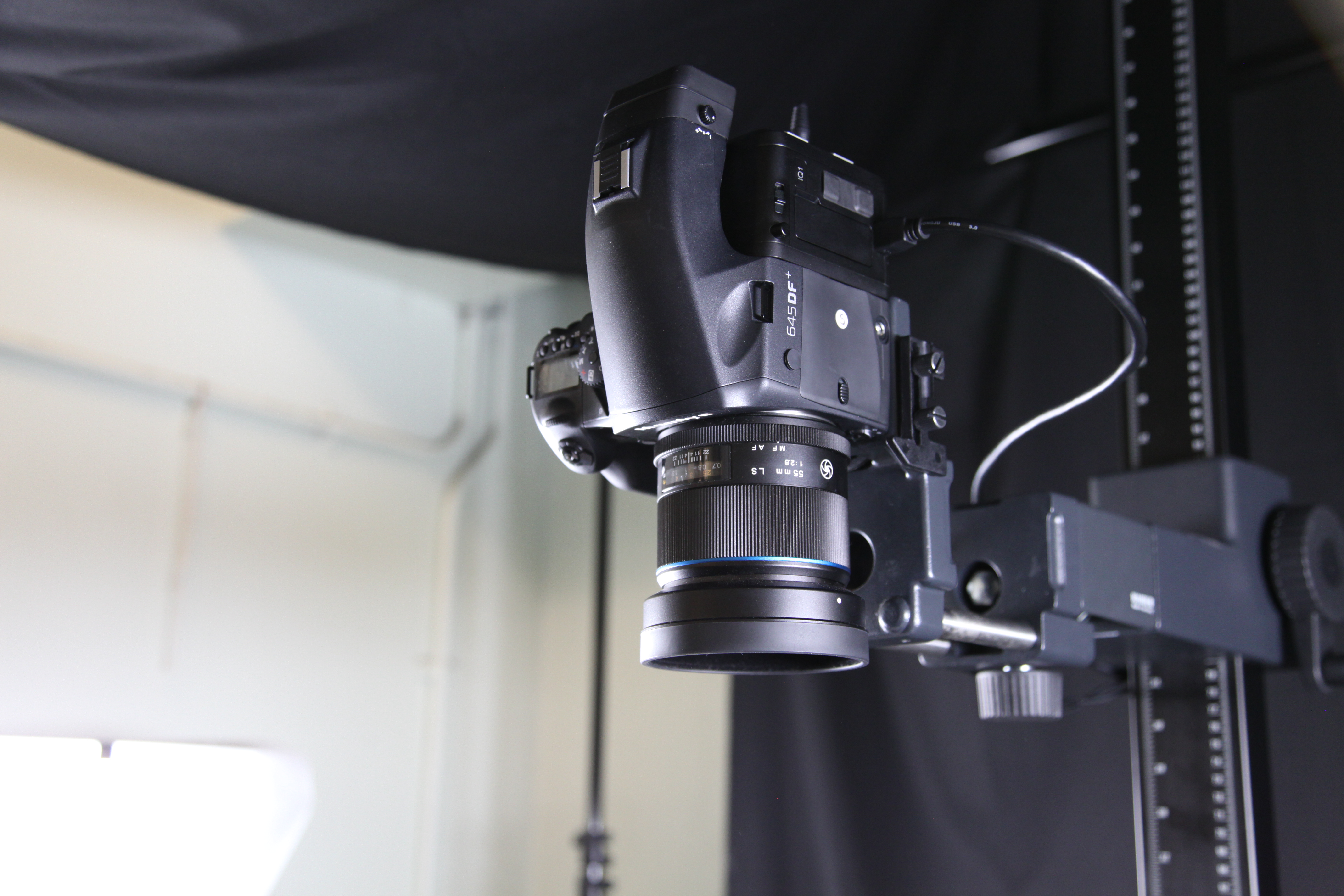
Our imaging studio has utilised professional Phase One camera systems since 1999. Widely recognised throughout the cultural heritage sector for their exceptional image quality, colour accuracy, and ability to capture fine detail, these systems enable the creation of preservation-quality master files suitable for long-term digital preservation, publication, research and public access.
Flexible Digitisation
Flexible Digitisation for Complex Collections
Flexible camera-based capture approach is particularly well suited to fragile, bound, oversized or three-dimensional materials, allowing them to be digitised safely and efficiently while maintaining outstanding image fidelity.
Ultra-high-resolution image capture
Exceptional colour accuracy and consistency
Specialist support and handling for fragile materials
Flexible options to capture oversized collections
Preservation-quality master file creation
Specialist Book Cradles & Supports
Protecting Materials During Capture
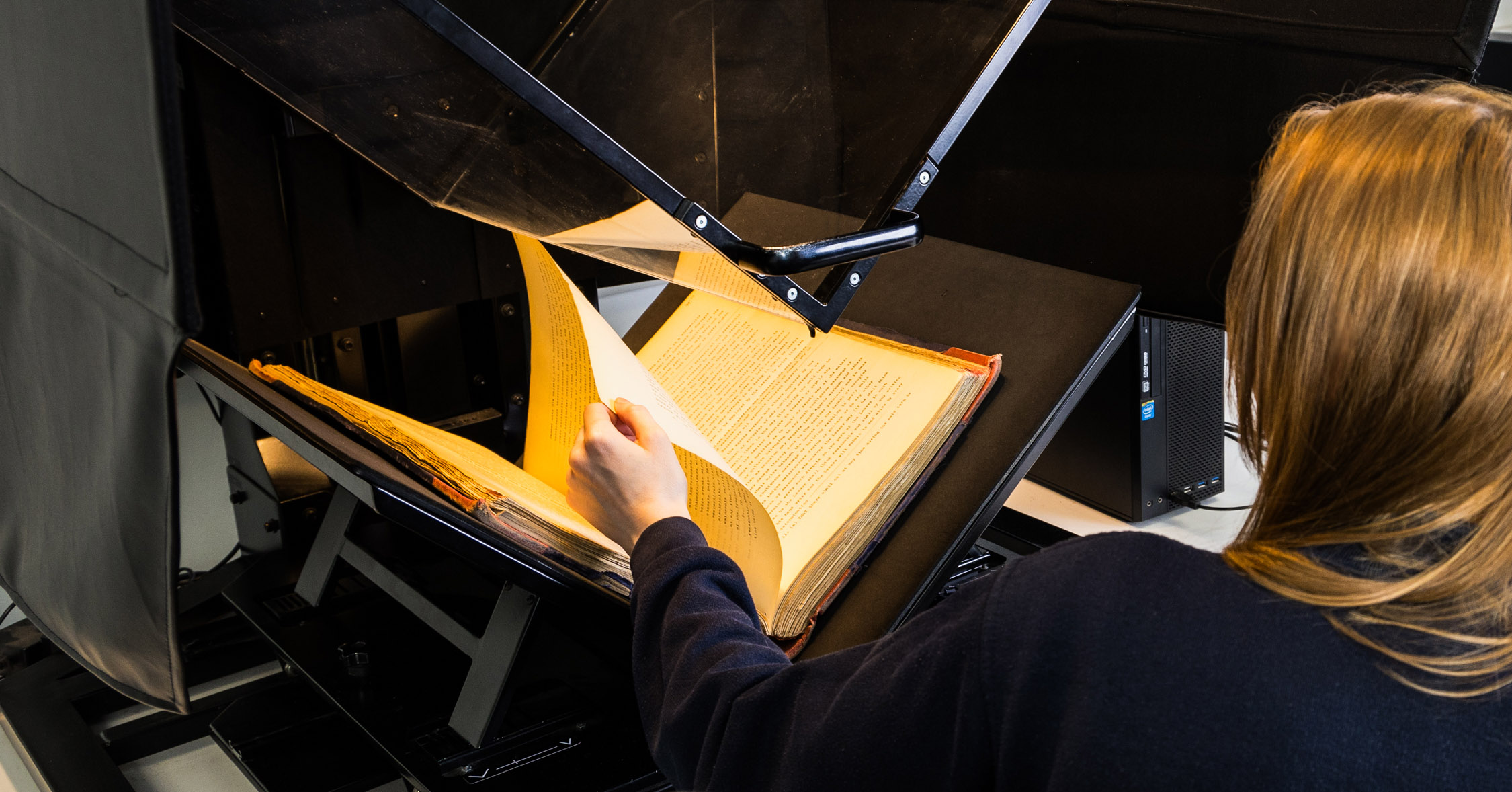
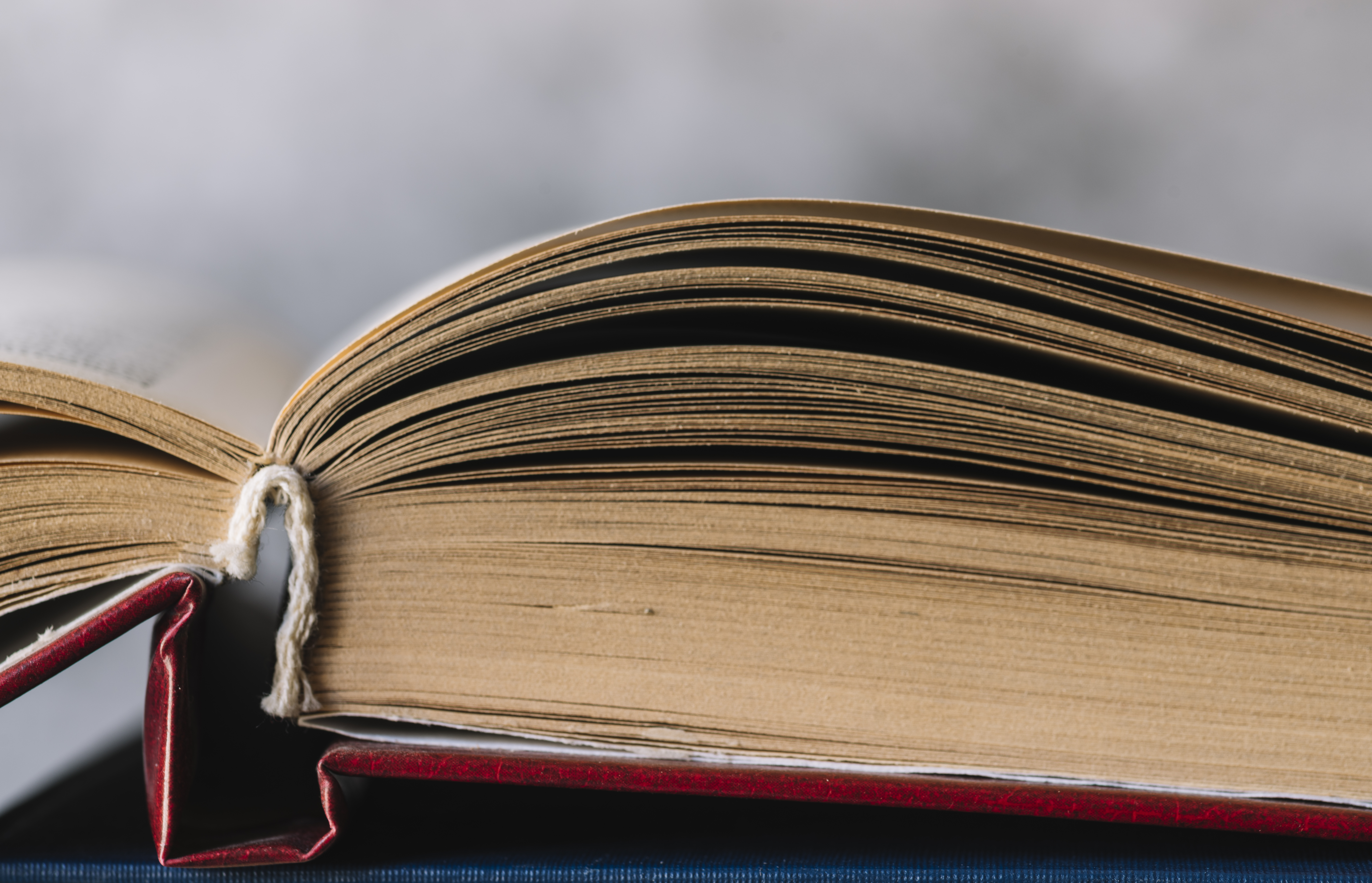
Successful heritage digitisation depends as much on how materials are supported as the camera used to capture them. Our systems incorporate professional book cradles, V-cradles, cantilever supports, adjustable book rests, and conservation-safe glass where appropriate, reducing stress on fragile bindings while ensuring consistent image quality.
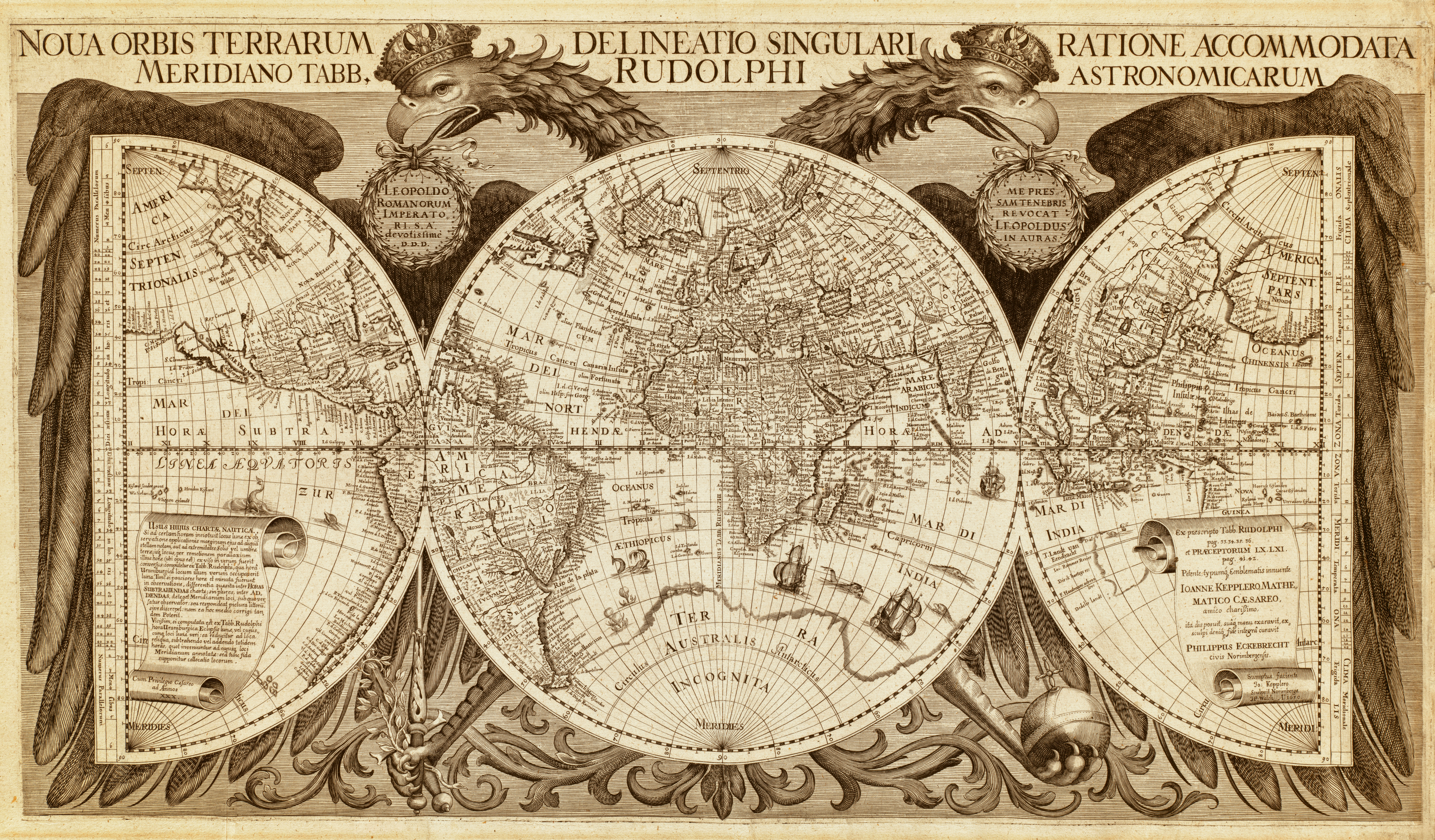
This adaptable setup accommodates materials ranging from photographic negatives and slides to oversized maps, plans, and archival documents up to A0 and beyond.
Specialist Lenses & Lighting
Capturing Detail Across Different Formats
Our studio maintains a comprehensive range of specialist lenses, including macro lenses for capturing fine detail. Combined with adjustable lighting, these allow us to digitise photographic negatives, slides, transparencies, microfiche, and other specialist formats.
The flexibility of camera-based imaging also enables the documentation of three-dimensional heritage objects from multiple angles, creating visual records that conventional scanning equipment cannot achieve.
Imaging Software & Colour Management
Consistent, Reliable Digital Outputs
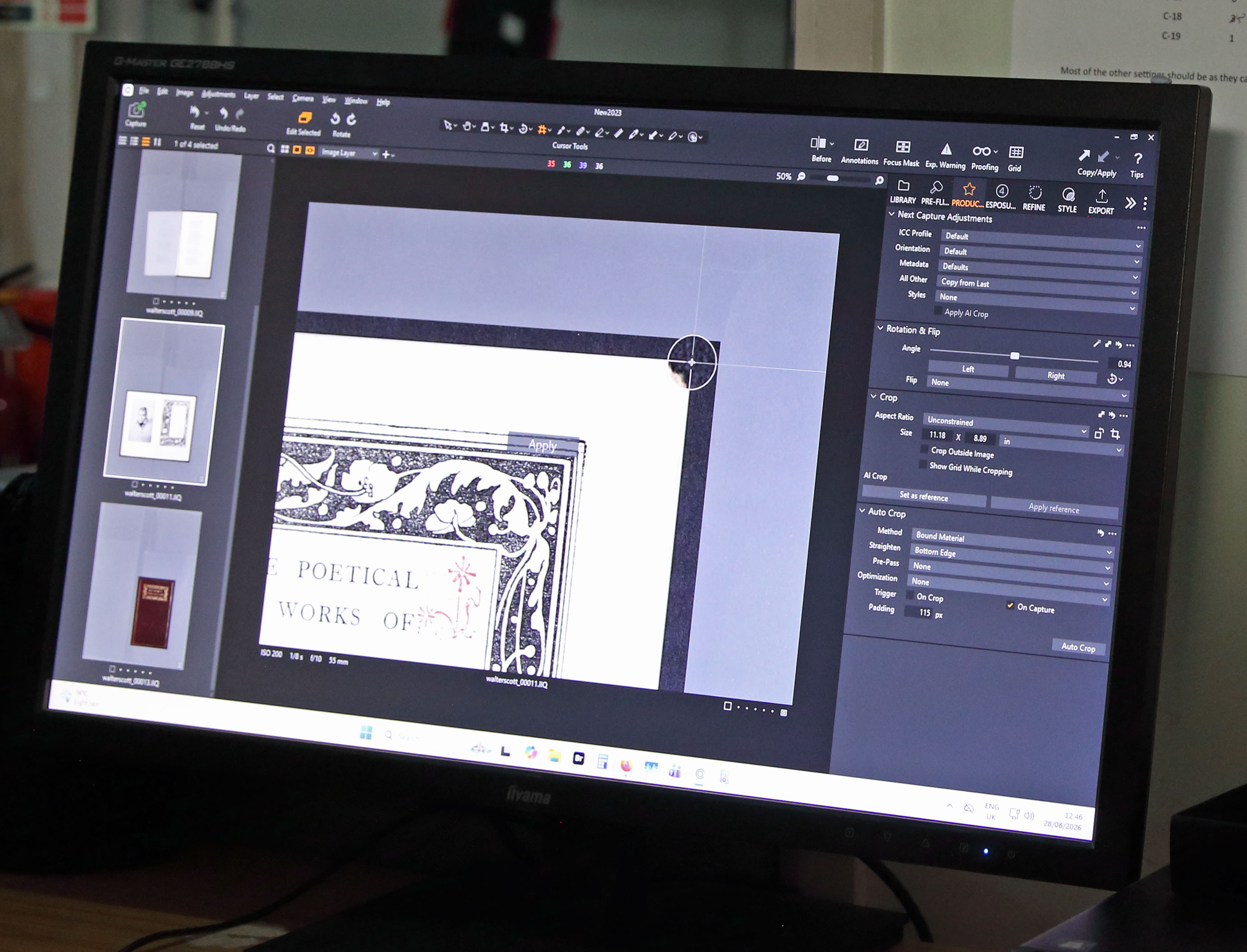
We use Capture One Cultural Heritage software to control capture settings, colour management, exposure, resolution, and workflow consistency. Through careful calibration and quality assurance, we produce digital assets that integrate seamlessly into existing collections and preservation systems.
Supported by:
Accurate colour reproduction
Consistent image quality
Preservation-standard master files
Compatibility with archive specifications
Reliable outputs for research and publication
Microfilm Technology
Professional Microfilm Preservation Equipment
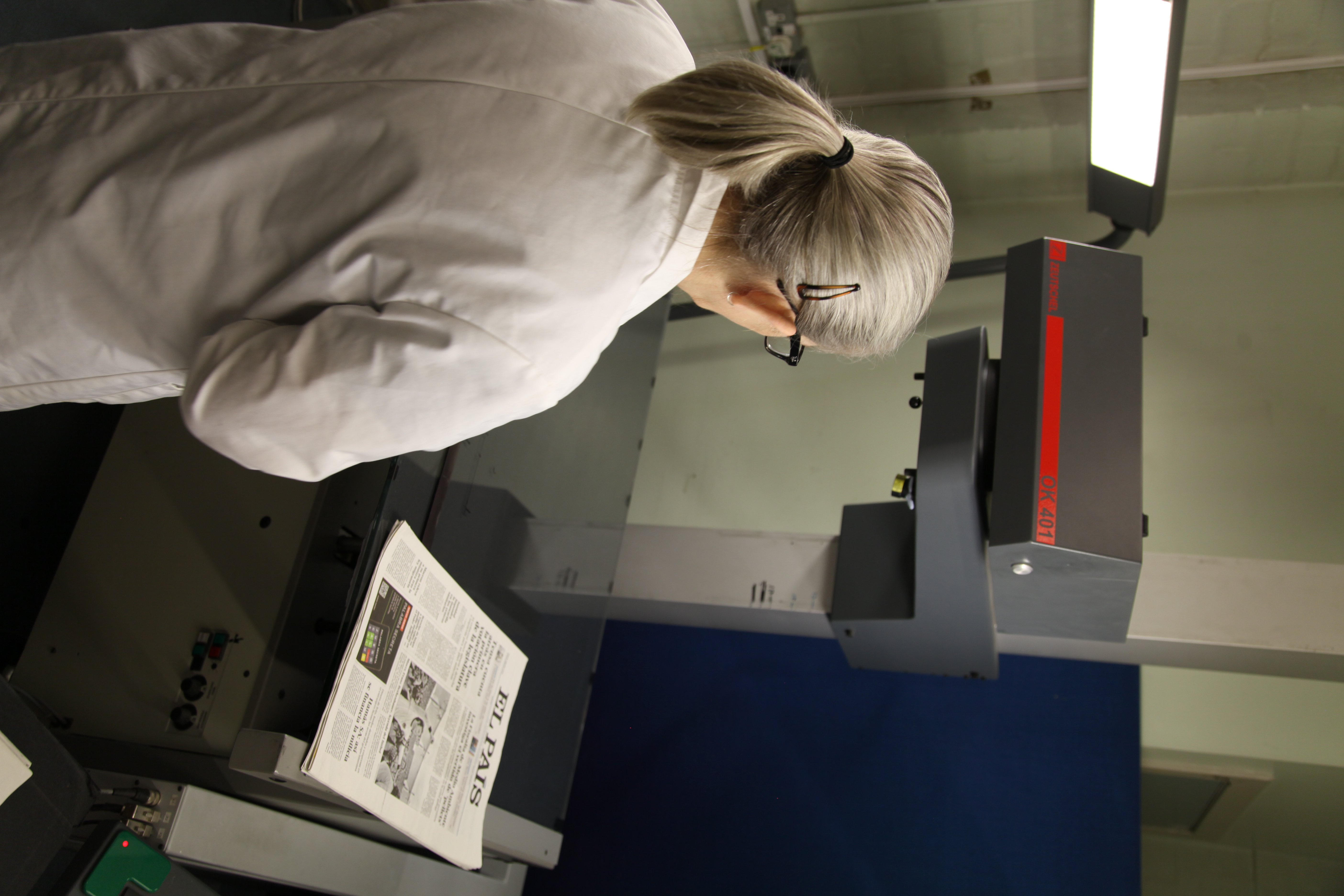
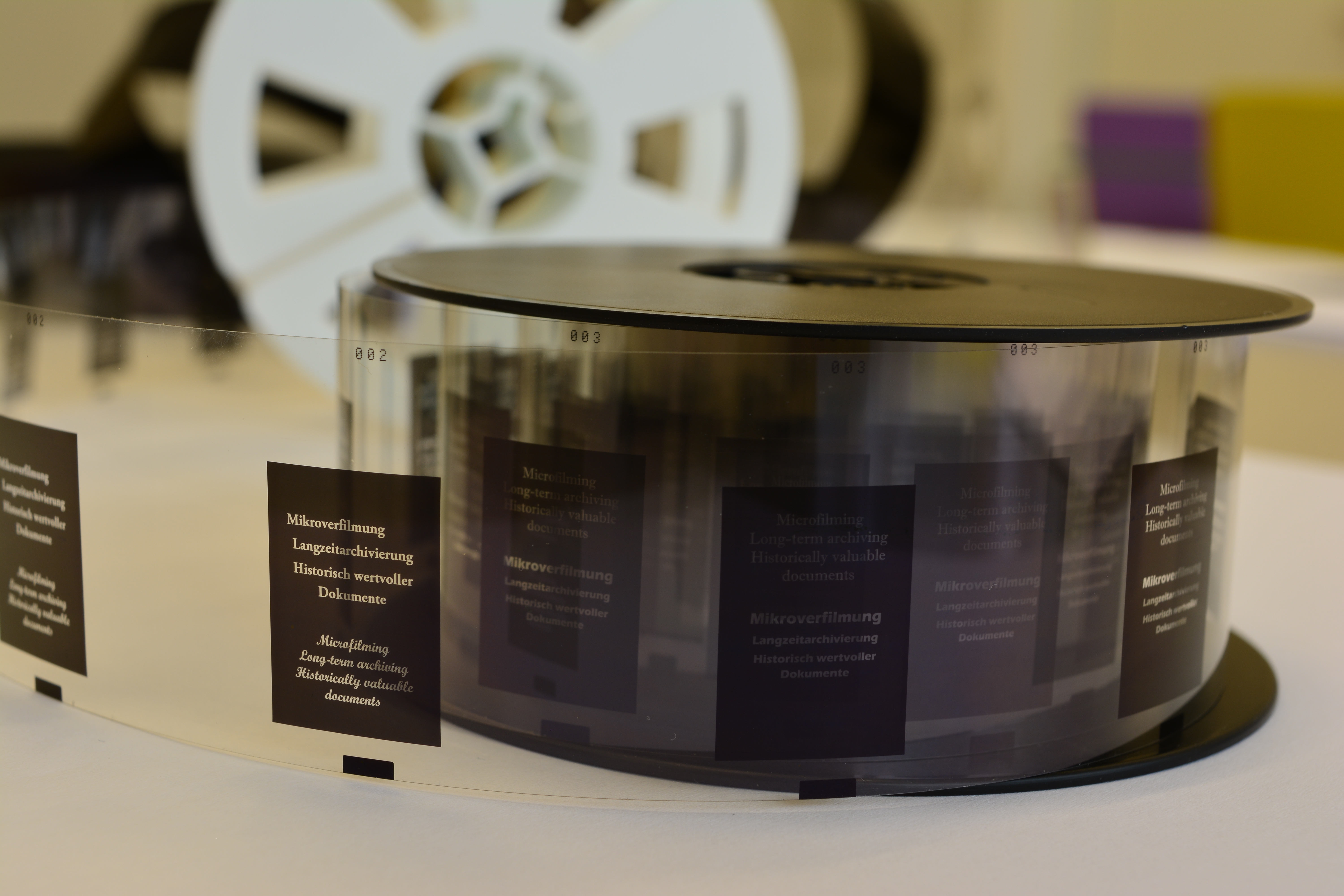
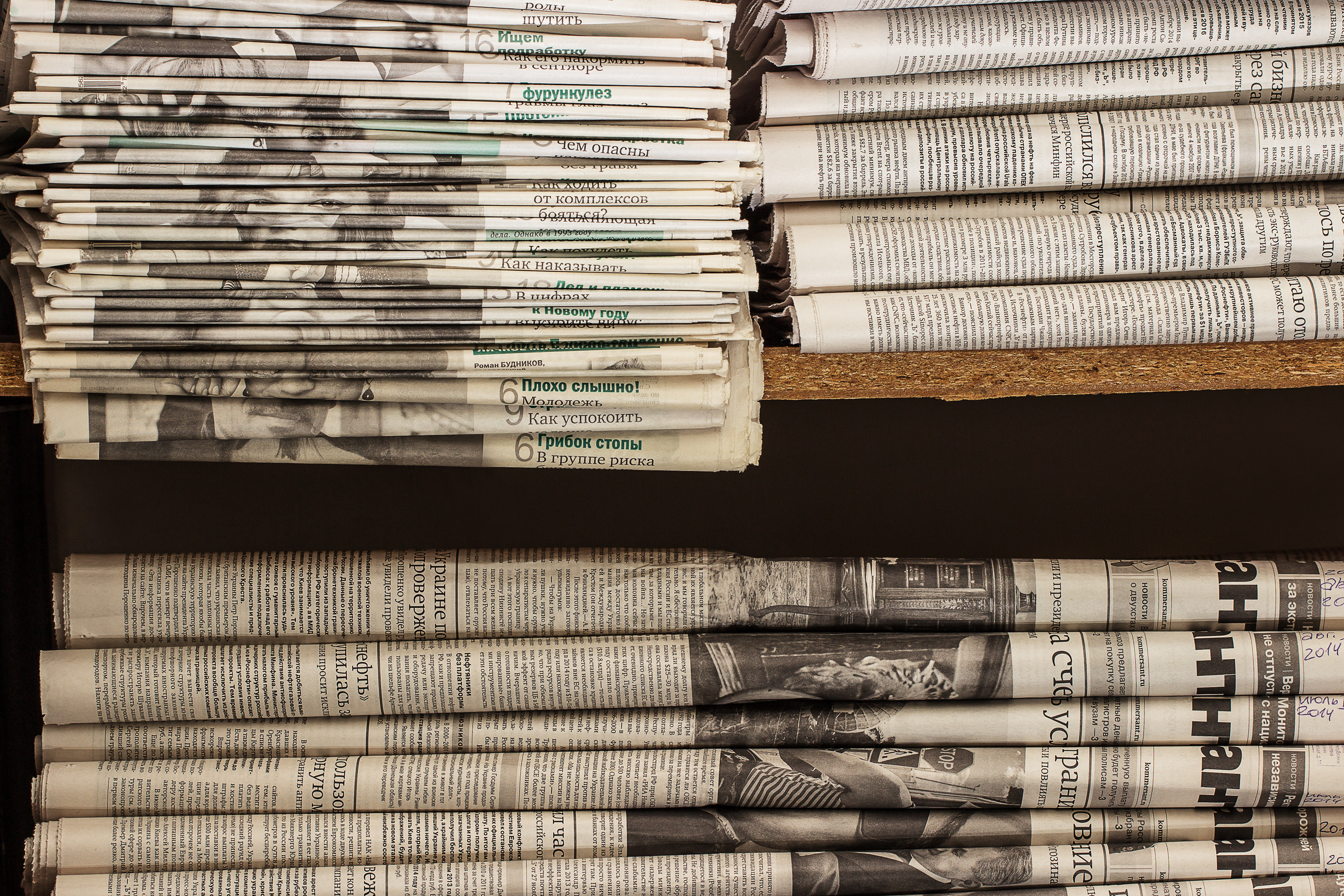
Since 1994, our team has been working with specialist microfilm cameras to preserve heritage items. We use several 35mm microfilming stations, including a Zeutschel OK 401 and several Gratex Congress Newspaper Cameras, to film materials quickly and efficiently. We film according to the National Preservation Office Guide to Microfilming and BSI and ISO standards, guaranteeing archival standards of density and resolution.
Microfilm Splicing Equipment
Supporting Recovery and Preservation
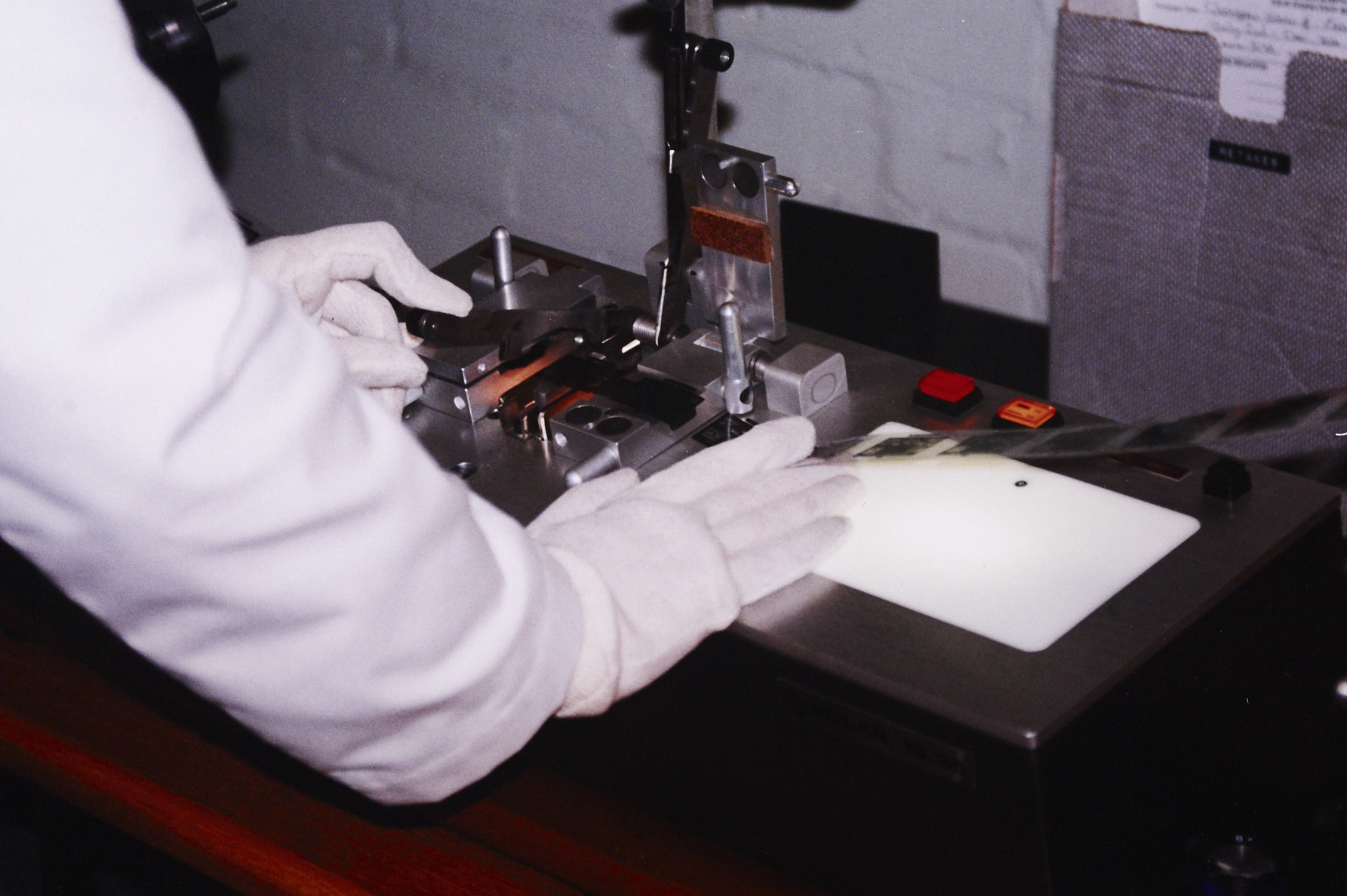
If needed, we have specialised splicing equipment to eradicate errors, stitch together damaged reels as part of disaster recovery, and ensure a flawless final master reel.
Silver Film Duplication
Creating Reliable Preservation Copies
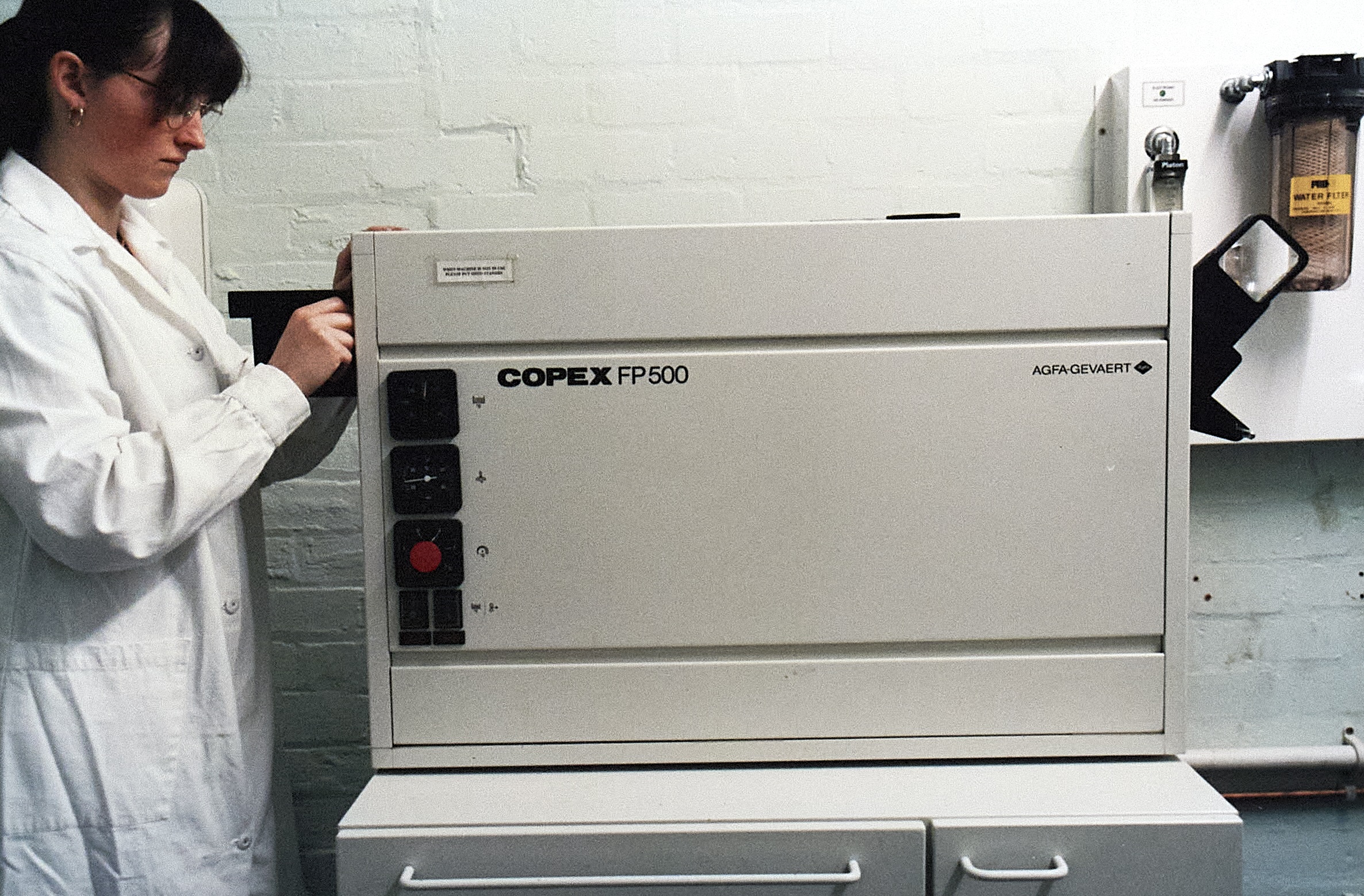
Once the final version of the master reel has passed our quality assurance checks, duplicate copies can be made to send out to clients for use. We use our own 35mm silver film duplication equipment to make exact copies of the master reel, so that the master can be safely stored and as many duplicate copies as the client requires can be sent out for users to view.
Experienced Operators
Specialist Heritage Knowledge
Advanced equipment is only effective when combined with experience. Our operators bring decades of knowledge in heritage preservation, archival handling and quality control, ensuring every collection receives the attention it requires.
Built for complex archival formats
Digitising a Wide Range of Materials
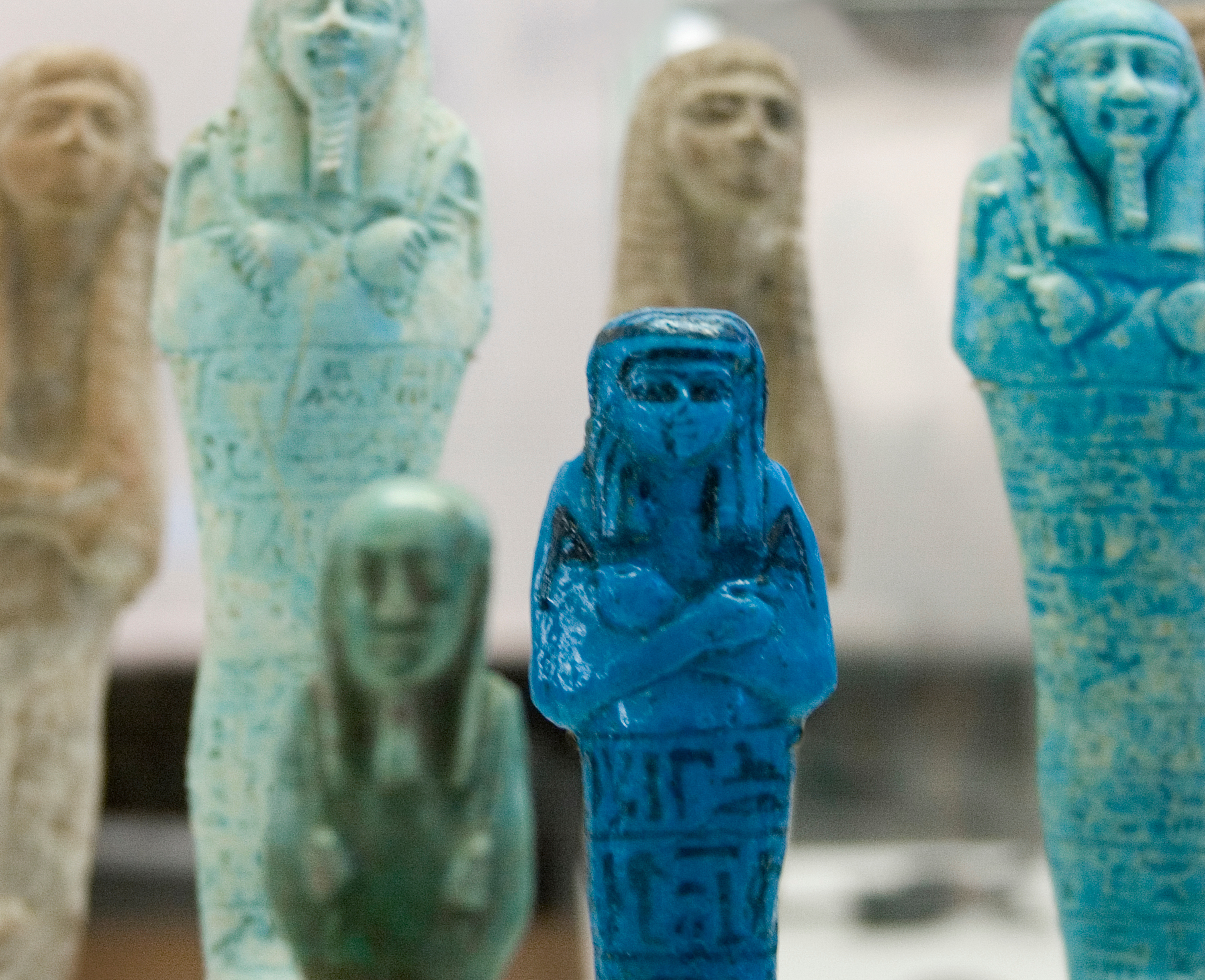
Our facilities and workflows are designed to accommodate a diverse range of archival, heritage, and historical materials, from photographs and manuscripts to oversized maps, bound volumes, microfilm, and three-dimensional objects.
Let's Find the Right Approach for Your Collection
Every collection presents different challenges. Our team can help identify the most suitable digitisation or microfilming approach based on your materials, objectives and preservation requirements.