
Material type
Newsprint
Newspapers and magazines are often printed on low-cost, acidic paper intended for short-term use. Specialist preservation and digitisation help safeguard their content for long-term access.
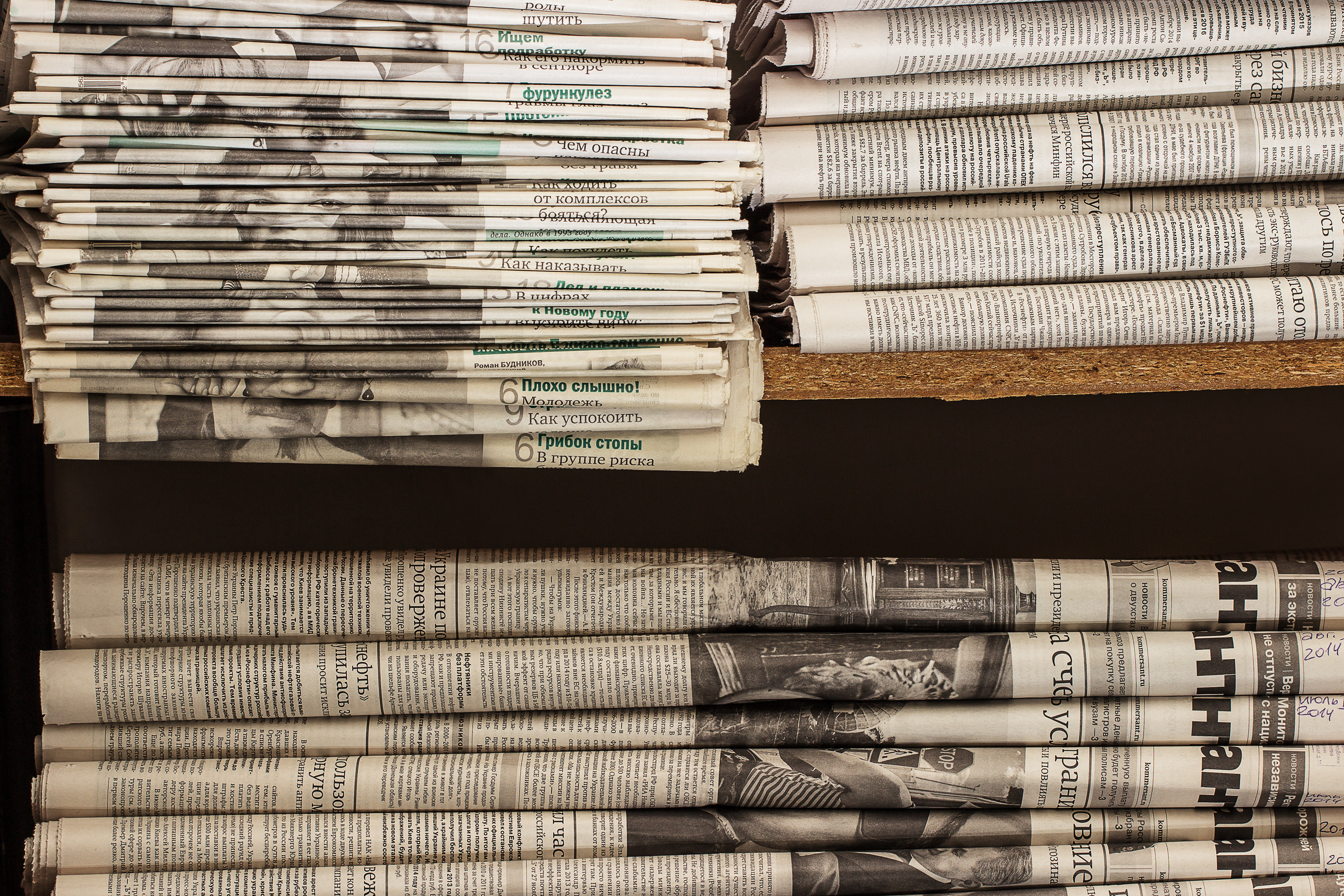
Newspapers & Magazines
Challenges
Newspapers and magazines present unique preservation challenges that differ from other printed materials.
Fragile Newsprint
Most historic newspapers were printed on acidic paper that deteriorates naturally, making pages increasingly brittle and susceptible to tearing.
Oversized Pages Require Specialist Capture
Broadsheet newspapers and large magazines often exceed standard sizes, requiring specialist overhead capture equipment.
Folded or Damaged Pages
Folded and damaged pages require careful handling during digitisation to ensure all content is captured accurately without causing further damage to the original material.
Bound Newspapers and Periodicals
Compiled and bound newspapers and periodicals require specialist equipment to create microfilm and digital images that are flat, uniform, and legible.
Newspaper Preservation
Why Newspapers Were Preserved on Microfilm
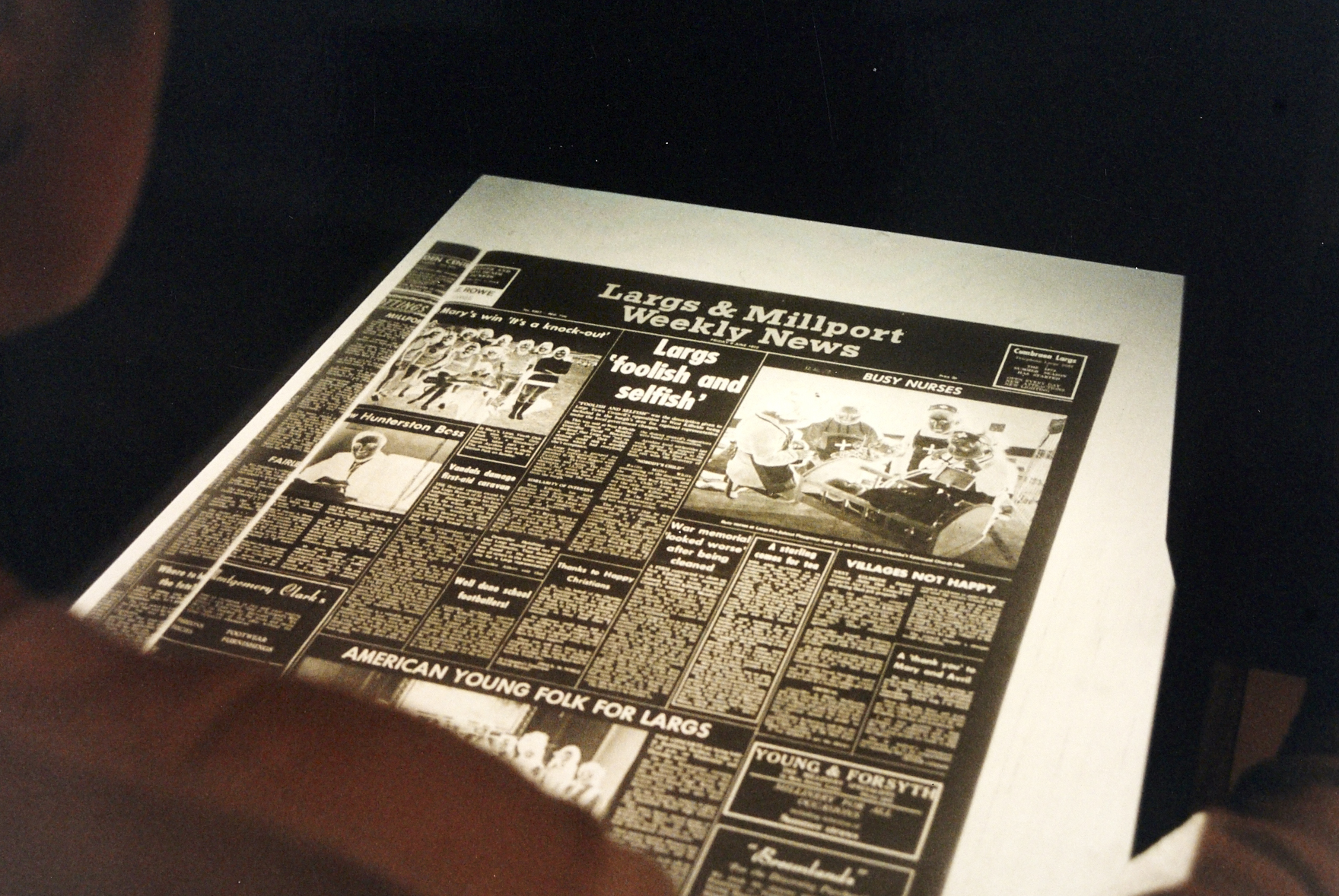
For much of the twentieth century, libraries, archives and publishers used microfilm as a preferred method for preserving newspaper and magazine collections. Unlike original newsprint, which naturally deteriorates over time, microfilm provided a stable, long-lasting copy that protected valuable content.
Microfilm also reduced handling of fragile newspapers, allowing researchers to access copies while original editions remained safely stored, helping extend the life of important collections.
Why Microfilm Still Matters
Although digital technology has transformed access to historic newspapers, microfilm remains a trusted archival preservation format. Its compact, durable format can preserve years of editions while reducing storage needs and providing a long-lasting preservation copy.
Microfilm also allows pages to be reproduced at original size or enlarged for easier reading, making it a practical part of long-term preservation strategies alongside digital technologies.
A Hybrid Preservation Strategy
Microfilm provides a trusted archival preservation copy, but it is less convenient for everyday access. A hybrid approach combines microfilm’s long-term preservation benefits with digital copies that enable searchable, accessible, and shareable newspaper collections.
With OCR, researchers can quickly find articles, browse editions online, and access historic content without handling fragile originals or relying on specialist equipment.
UK Archiving supports organisations with both microfilm preservation and newspaper digitisation services, helping protect valuable collections while improving access.
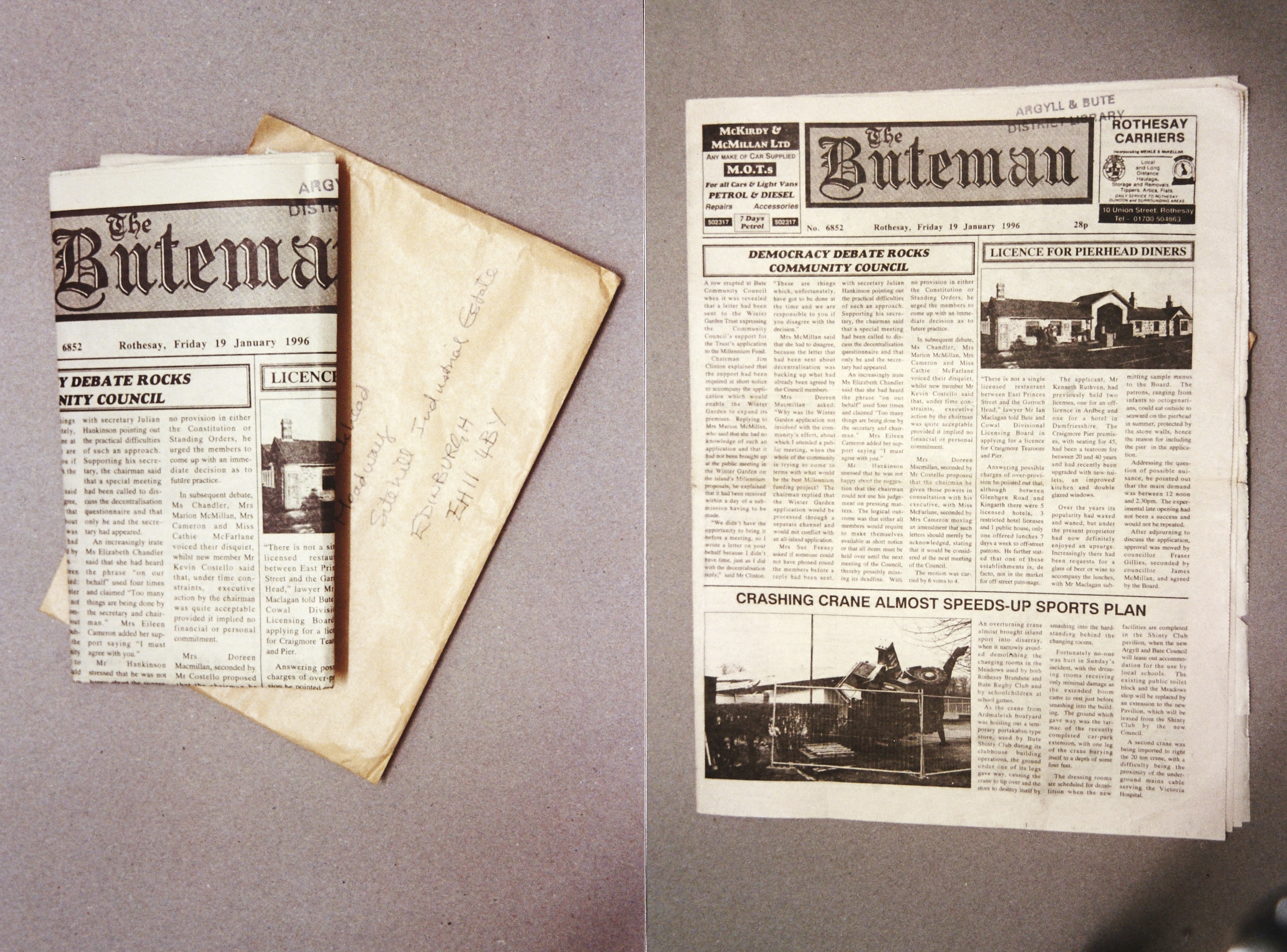
Preserve Your Newspaper Archive
UK Archiving provides specialist newspaper digitisation and microfilm services to protect fragile publications while improving access for research, education, and public engagement.