

16mm Microfiche
A roughly A6-sized microfiche, comprised of negative or positive strips. Each strip can hold up to 60-70 single pages maximum.
Material type
Microfilm, microfiche and aperture cards are analogue microform formats designed to store large volumes of documents in a compact, durable medium. While they offer long-term preservation, accessing and sharing the information they contain increasingly depends on high-quality digital conversion.
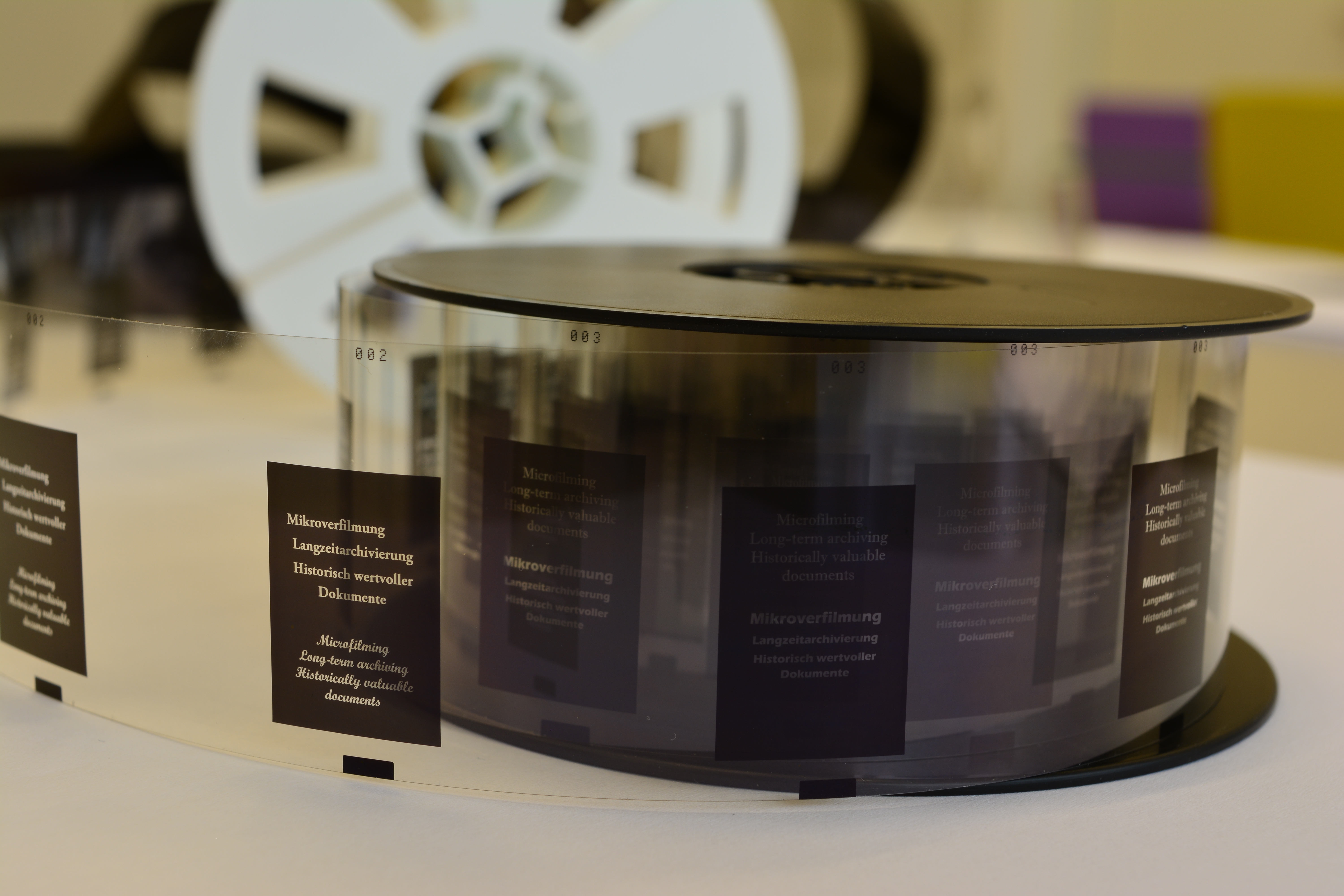
Microfilm, Microfiche & Aperture Cards
Microform collections require specialist equipment and expertise that differ significantly from standard digitisation.
Microform formats require dedicated scanning systems designed to digitise film accurately without distortion or loss of detail.
Ageing film may contain faded images, scratches, dust or inconsistent exposure, requiring careful enhancement to maximise readability.
Archives frequently contain a combination of 16mm and 35mm film, jacketed microfilm, COM film, microfiche, and aperture cards, each requiring different handling and capture methods.
Many microform collections contain thousands of images with limited indexing, requiring frame separation, metadata capture and logical file organisation.
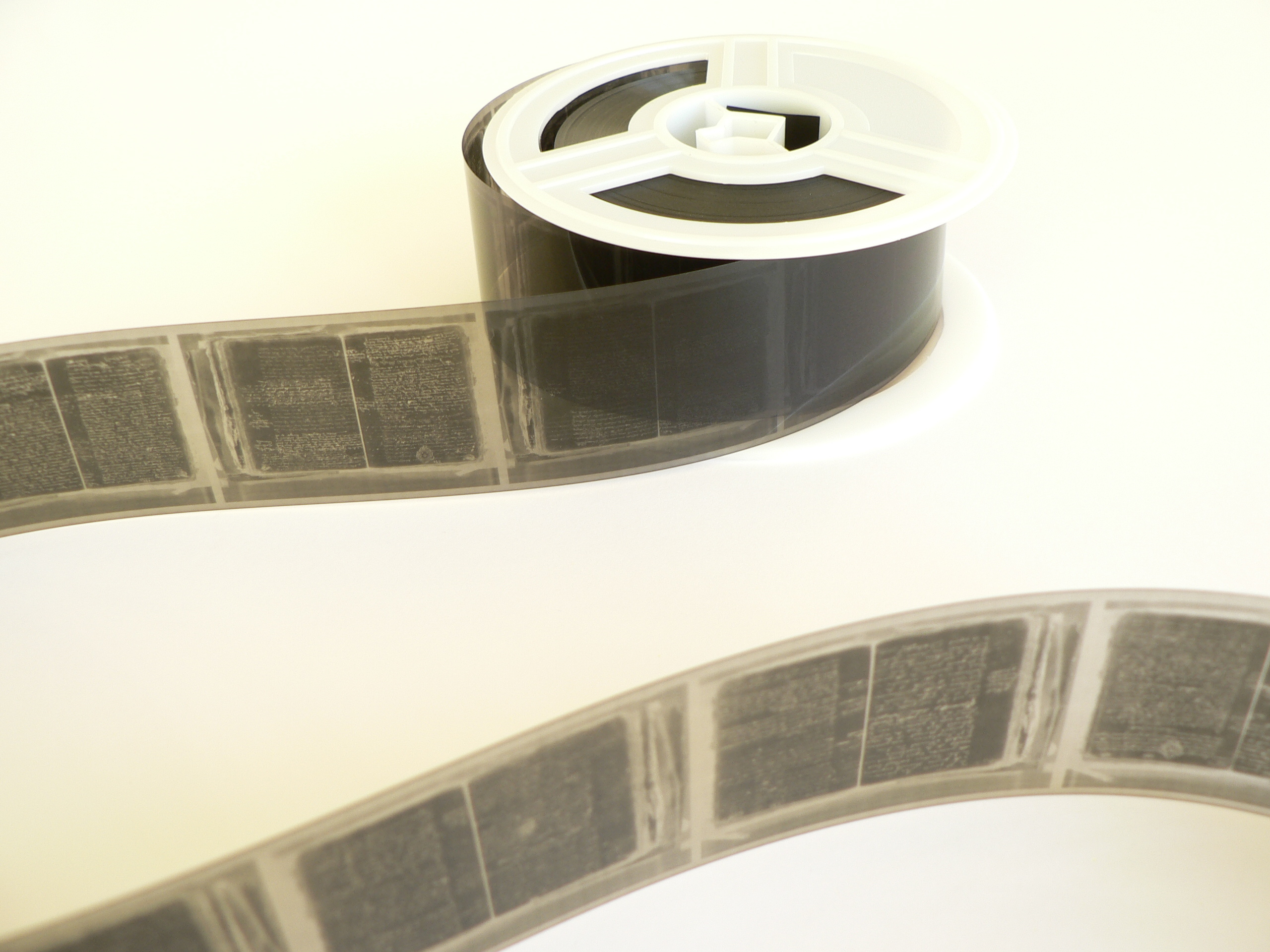
Microfilm is a preservation format that stores documents as tiny photographic images on film reels. Pages from newspapers, books, records, or archives are photographed and reduced to a much smaller size, allowing large collections to be stored in a compact, durable format.
For example, thousands of newspaper pages can be stored on a single reel of microfilm. Researchers view the images using a microfilm reader, which enlarges the film image so the text can be read.
Microfilm has been widely used by libraries and archives because it:
Provides a stable long-term preservation copy that does not require digital upgrades
Reduces the need to handle fragile original documents
Requires very little storage space
Can remain readable for several centuries when stored correctly
Today, microfilm is often combined with digitisation, where the film is converted into searchable digital files, providing both long-term preservation and easier online access.
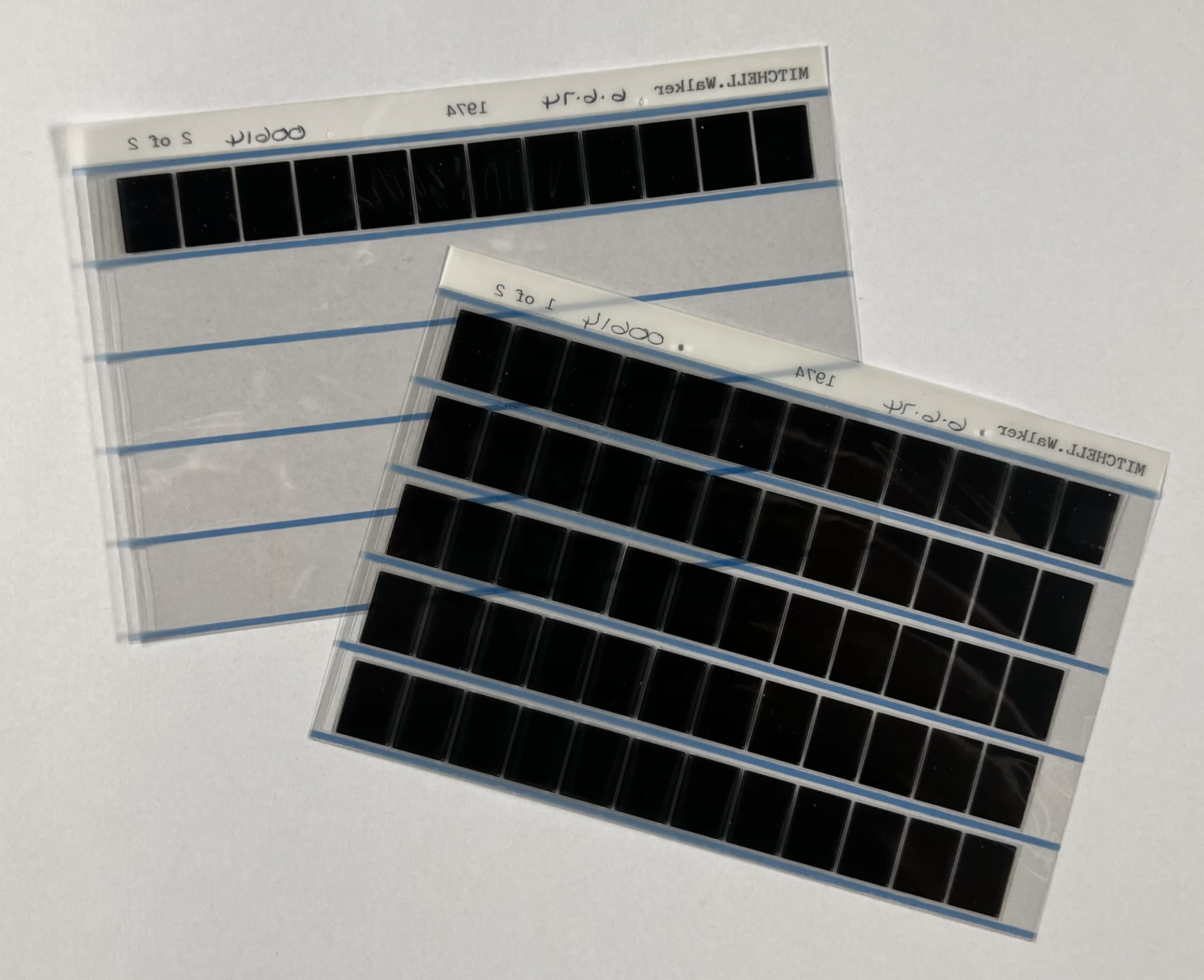
Microfiche stores multiple reduced document images on a single flat sheet of photographic film. Unlike microfilm reels, each fiche contains a grid of individual pages, making it easy to browse specific documents using a microfiche reader.
Formats
We use specialised scanning equipment to convert microfilm and microfiche into high-quality digital formats, including TIFF, JPG, and PDF. This makes your collections easier to access, manage, and preserve. We can digitise a wide range of microfilm and microfiche formats and sizes, including:
A roughly A6-sized microfiche, comprised of negative or positive strips. Each strip can hold up to 60-70 single pages maximum.

A roughly A6-sized microfiche, comprised of negative or positive strips. Each strip can hold up to 12 single pages maximum.
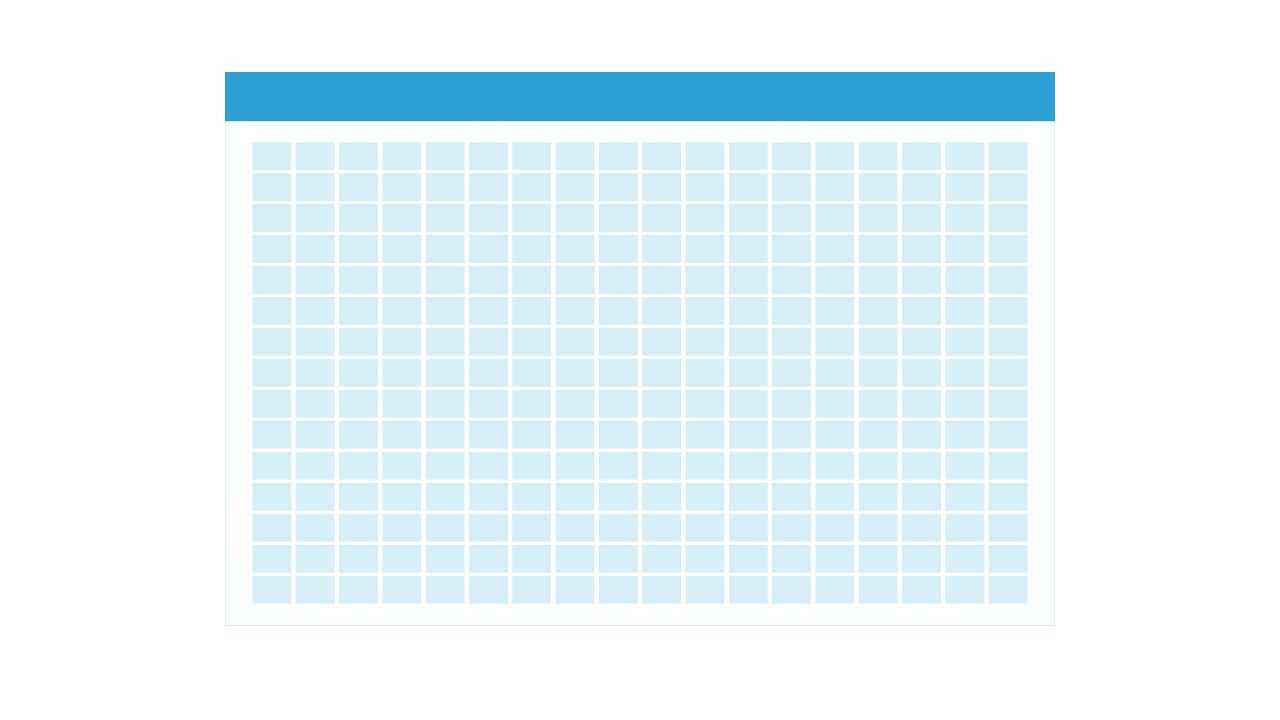
A Computer Output Microfiche, holds up to 270 pages per fiche in an 18x15 grid of negative or positive strips. Usually used to preserve manuals and the like.

A combination of 35mm and 16mm microfiche strips. Typically comprises of three 35mm images in one strip and 36 16mm images over three strips.

A 100ft continuous roll of negative or positive film wound onto a reel. 16mm microfilm can hold up to approximately 2,500-3,000 images.

A 100ft continuous roll of negative or positive film wound onto a reel. 35mm microfilm can hold up to approximately 1,100 single-page images.
Common Examples
Historic newspapers preserved on 16mm or 35mm reels for libraries and local history collections.
Academic journals, theses, dissertations, and research material archived on microfilm or microfiche.
Planning applications, land records, electoral registers, and statutory documents preserved on microfilm.
Our Approach
Our specialist microform scanning systems produce high-resolution digital images while protecting delicate film from unnecessary handling. Every frame is individually captured, checked and processed to produce clear, consistent digital images. Where appropriate, image enhancement improves legibility while preserving the integrity of the original record. Files can be delivered as TIFF, JPEG, searchable PDF or archival master formats, OCR can be applied where image quality allows.
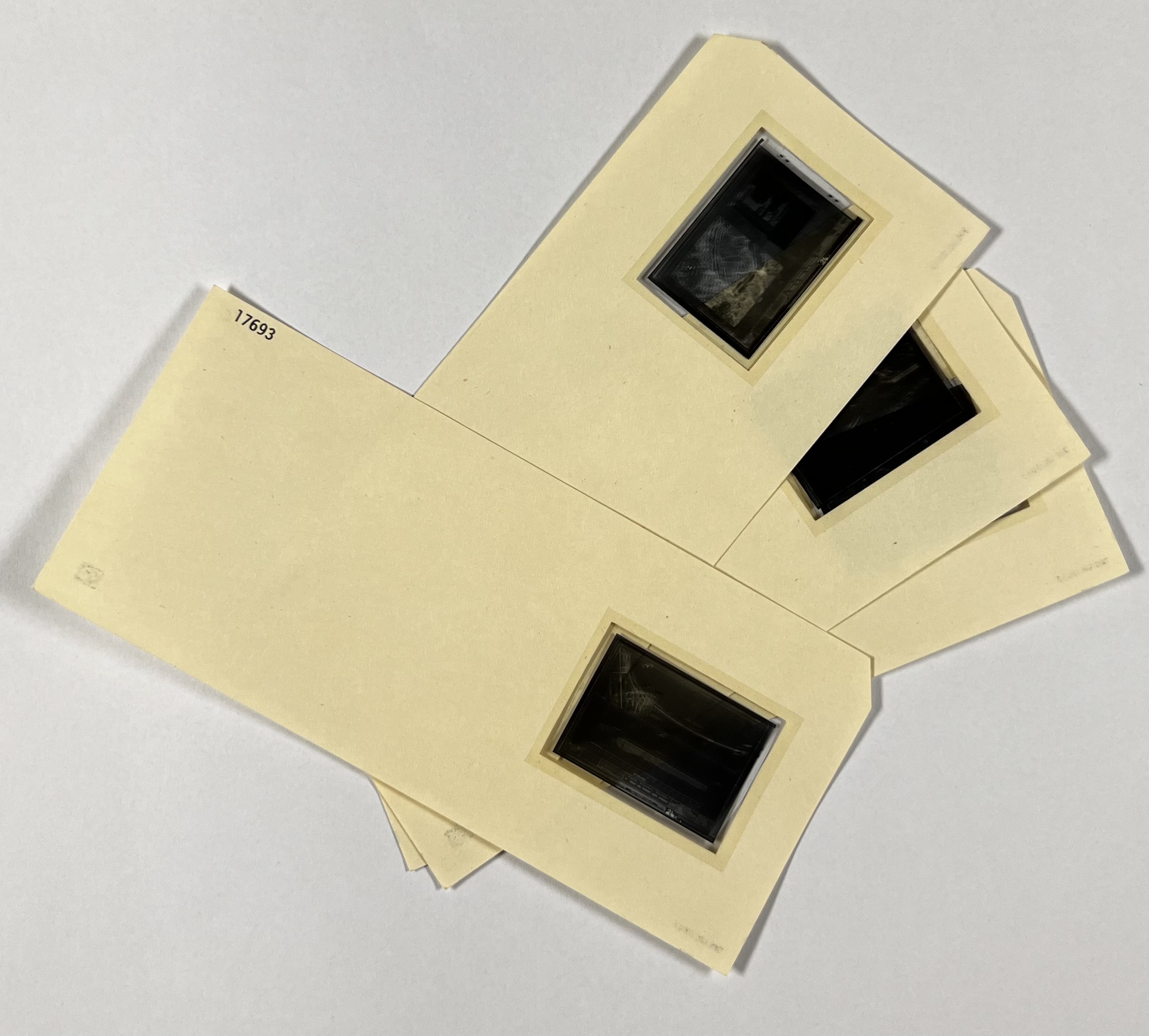
Aperture cards are punched cards that contain a single frame of 35mm microfilm, typically holding one large-format engineering drawing, blueprint, map, or technical plan. The card includes printed or punched indexing information, making documents easy to identify, sort, and retrieve.
Aperture cards were widely used by engineering firms, manufacturers, utilities, and government organisations to archive technical drawings in a durable, space-saving format.
Typical Applications
Aperture cards were widely used by engineering firms, manufacturers, utilities, and government organisations to archive technical drawings in a durable, space-saving format.
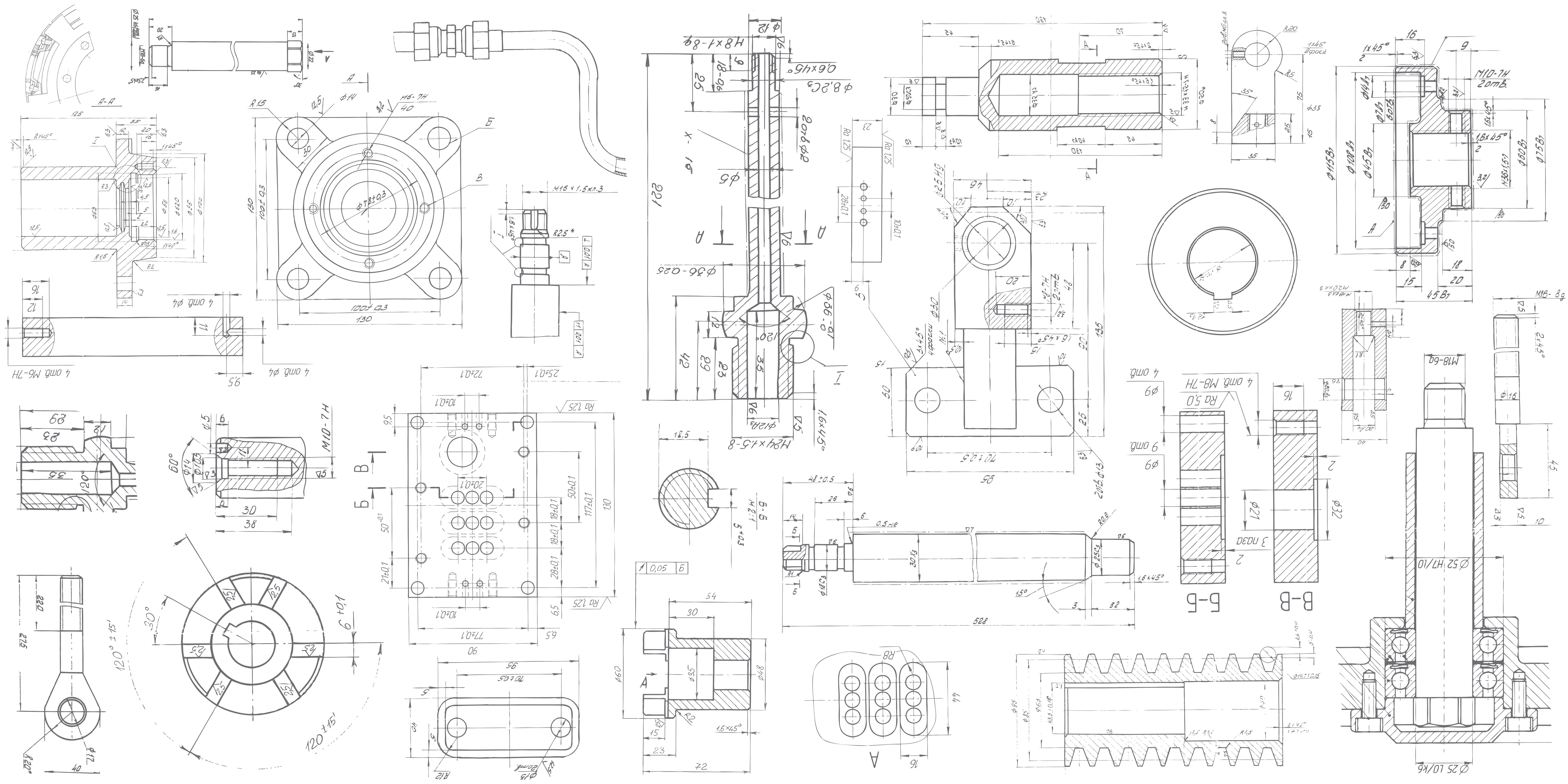
Large-format technical drawings reduced onto aperture cards for manufacturing, engineering, and utilities.
Historic building plans and construction drawings requiring high-resolution digital reproduction.
Transport, energy, telecommunications, and water network drawings maintained on aperture card systems.
Legacy CAD plots, component drawings, and production records retained on aperture cards.
Our Approach
Our scanning process captures both the engineering drawing and the card's indexing information, creating organised digital files that integrate easily with engineering, CAD and document management systems. Files can be named, indexed and structured to match existing workflows.
From creating archival microfilm to digitising legacy microform collections, we help organisations preserve important records while making them easier to access, search, manage and share.