Our Standard
Quality, Consistency and Preservation Standards
Every image we produce is measured against three things: consistency, technical accuracy, and fidelity to the original source material. Much of that consistency comes from our staff, who have a wealth of heritage experience, as well as rigorous training to ensure our standards are continuously met.
Our Commitment
Standards Built on Experience
UK Archiving works to, and in many areas exceeds, BSI and ISO standards for archival preservation. Our quality control documentation has previously been adopted at national level and continues to inform best practice.
"Our Guiding Principle - HANDLE ONCE, CAPTURE ONCE "
CARE & HANDLING
Handling Procedures
All staff are fully trained in the handling of rare, fragile and valuable heritage materials, and undertake continuous professional development.
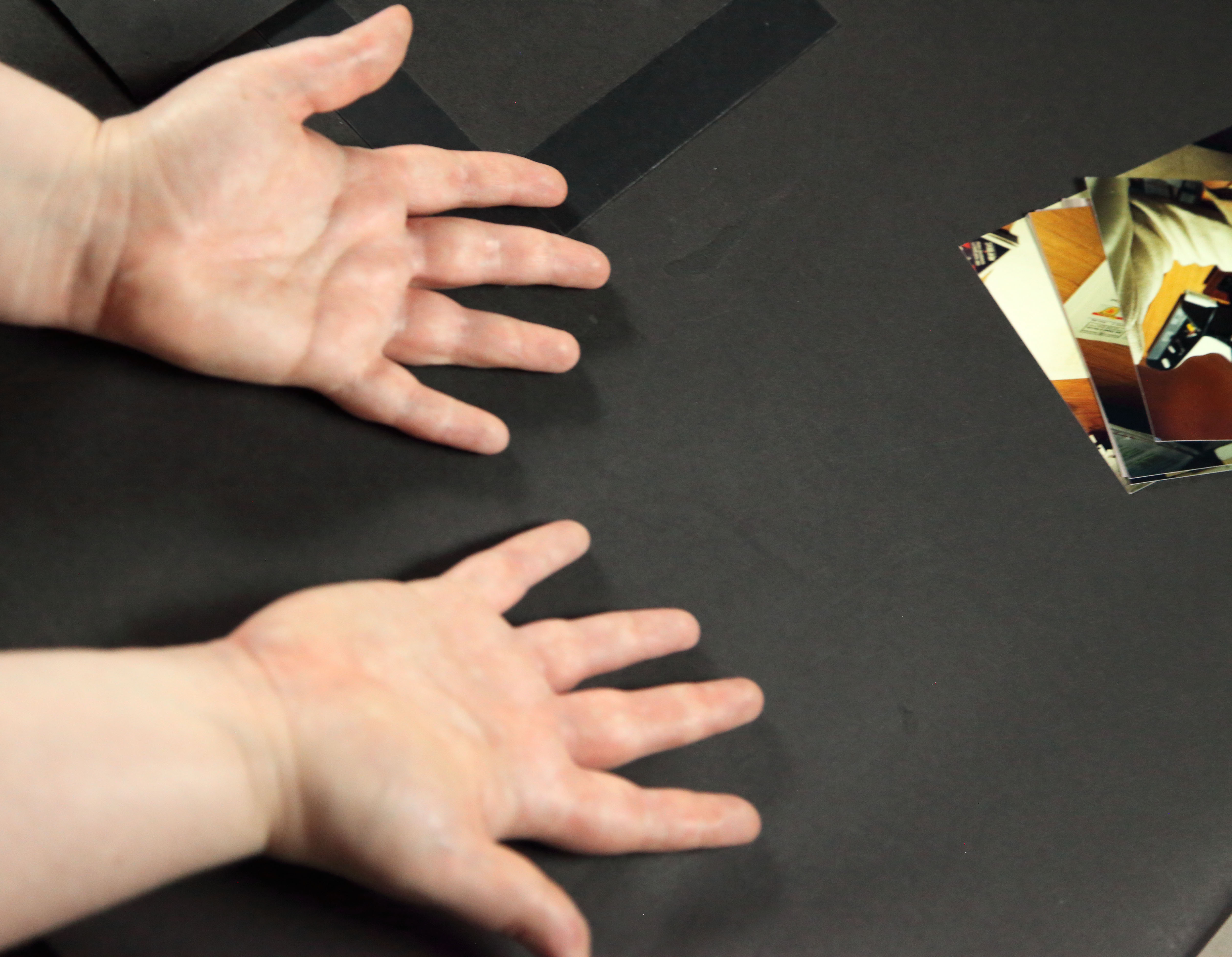
Clean hands, without gloves, are used for most bound and paper-based materials. This approach has been shown to be safer and is preferred by institutions including the British Library and the British Museum.
We use cotton gloves when handling photographs, negatives, slides, lantern slides, glass plates and similar materials.
DIGITAL IMAGING
Capturing Every Detail
Digitisation projects are undertaken using Phase One medium-format digital camera systems, equivalent to those used by the National Archives, British Library and National Records of Scotland.
Digital images are captured in RAW format in order to preserve every piece of data within the original image
Our speciality microfilm equipment produces images to a higher resolution than almost any digital equivalent can create
All volumes are captured from cover to cover, including blanks (unless otherwise specified), and even spines when required
Objects and artefacts can be captured from multiple angles to capture the integrity of the object in three dimensions
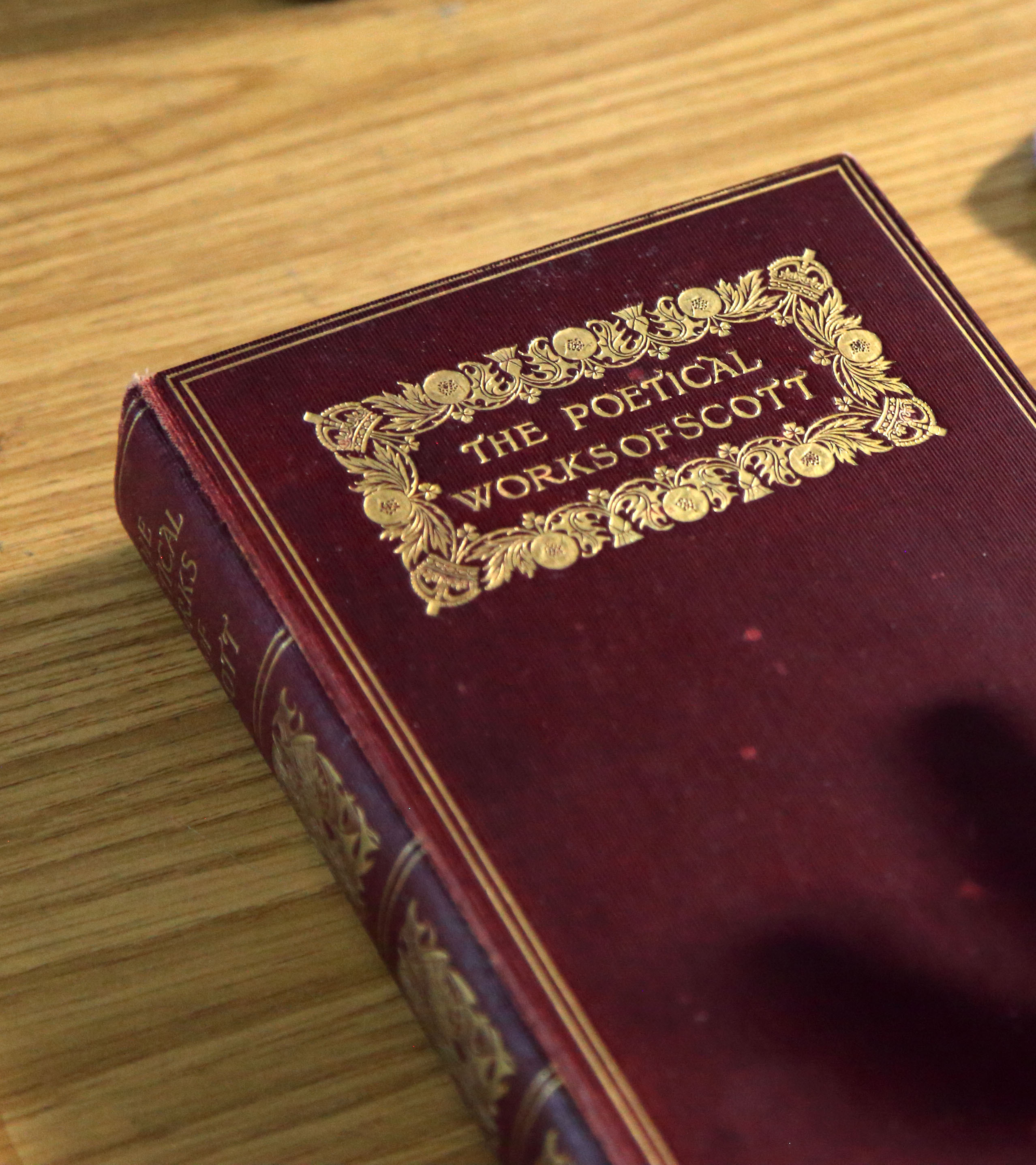
IMAGE PROCESSING
Post Production
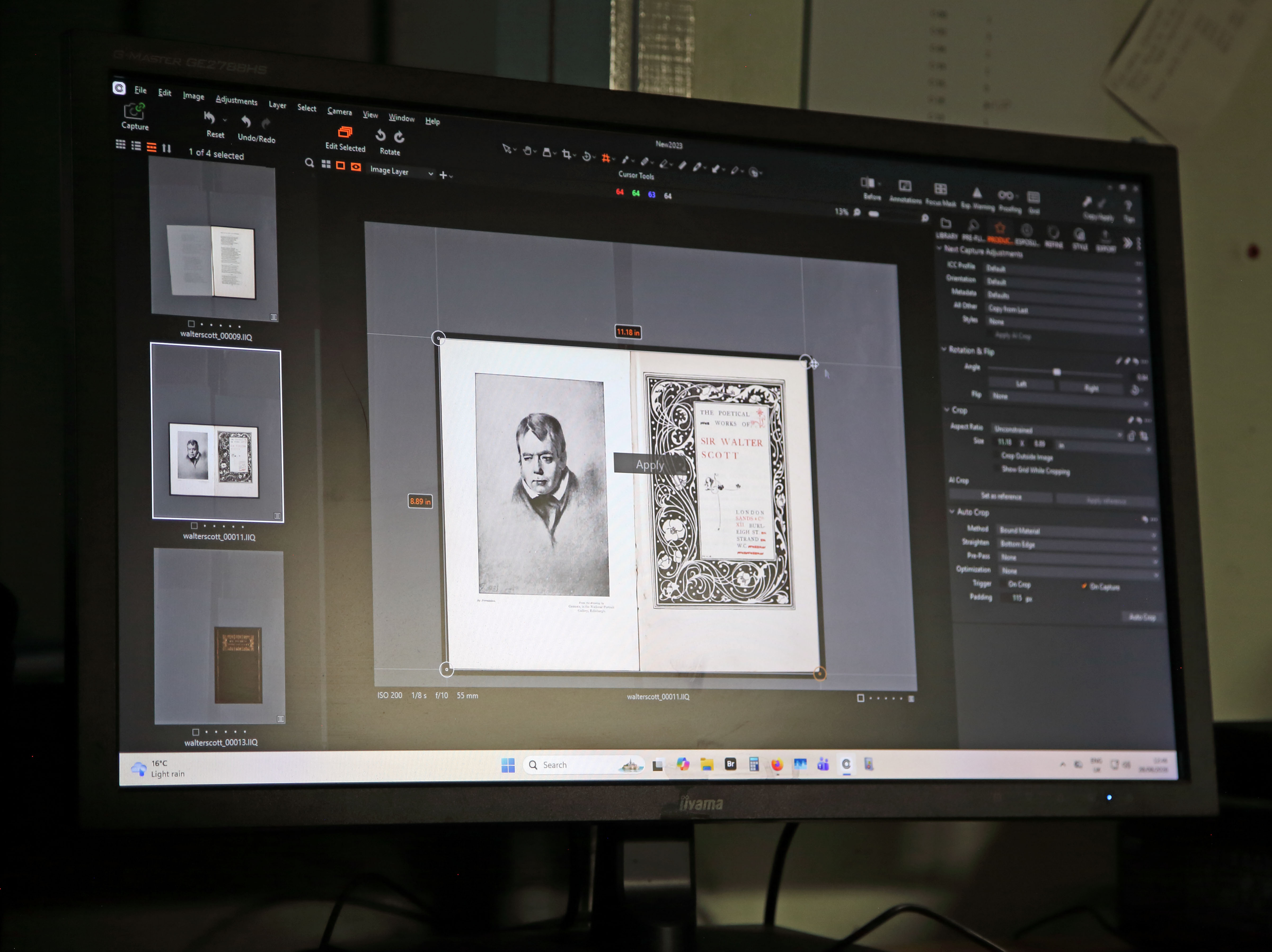
Post-production is carried out using Capture One Cultural Heritage on calibrated workstations, with files stored securely on UK Archiving servers. It covers cropping and alignment, colour management, contrast control, deskewing and image optimisation.
We aim to produce images that are a true and accurate representation of the original material, normally at 1:1 scale, unless client specifications require otherwise. Where required, multiple file formats and resolutions can be generated from the RAW masters — TIFF master copies, JPEGs, searchable PDFs and others.
QUALITY CONTROL
Quality Assurance is Embedded Throughout Production
Condition assessment and documentation
Capture parameter optimisation
Daily and project-based calibration of cameras and software
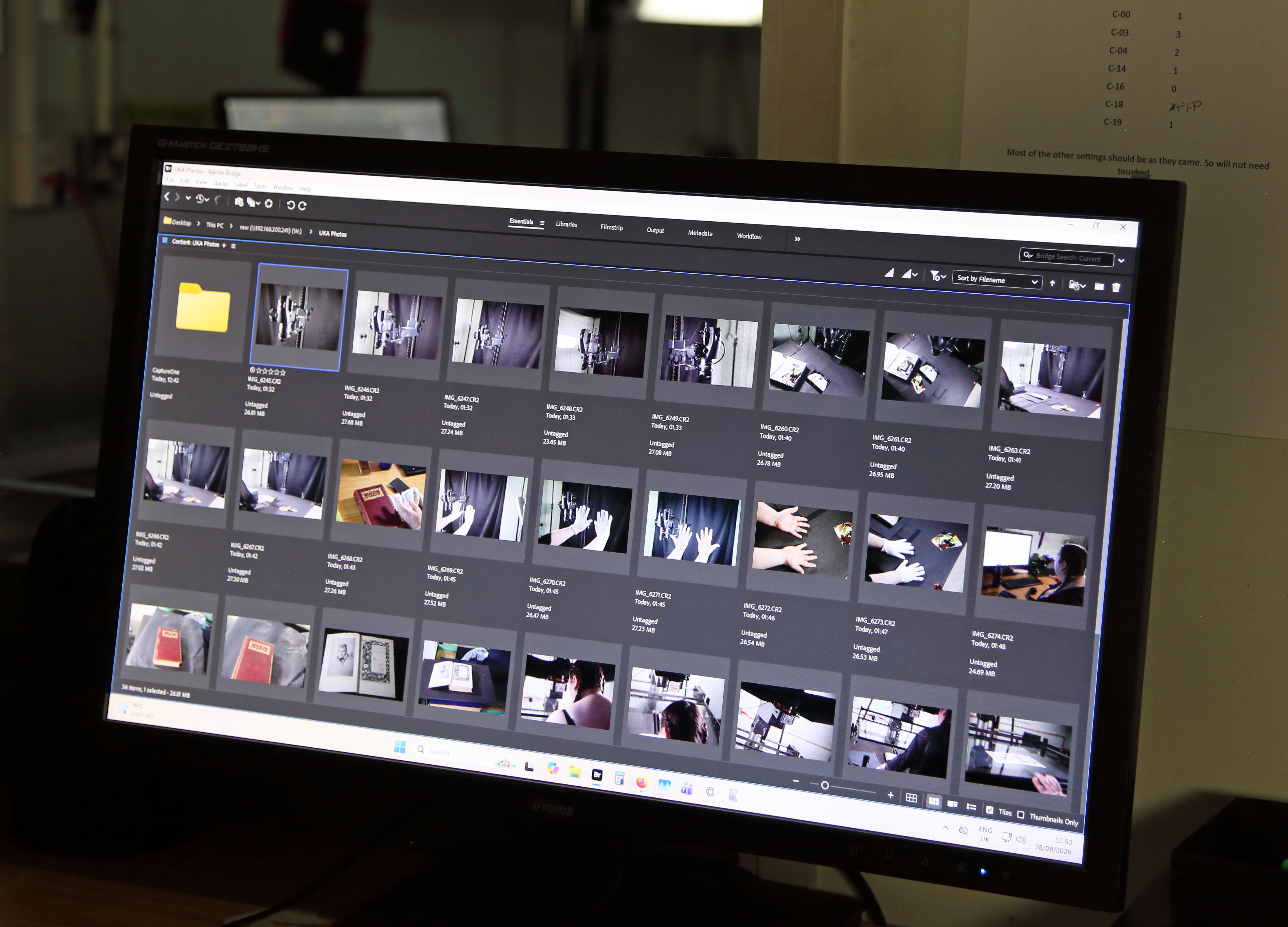
Continuous monitoring of RAW captures on calibrated displays
Verification during RAW-to-TIFF (or derivative) processing
Post-production quality and quantity checks
Final Production Manager sign-off prior to delivery
OUR QA PROCESS
Checked at Every Stage
During Capture
Our staff check their work as they go, so that any issue is caught as early as possible. Image counts are checked against detailed capture logs, and any discrepancy is reshot straight away. For digital work we also check image quality and consistency before processing, which reduces the need for reshoots later in the project.
Before Delivery
Every image we produce, digital and microfilm, is checked by fully trained staff against archival standards and against the original material, to confirm that nothing has been missed in capture or processing. Anything that does not meet our standards is reshot and reprocessed. Microfilm is then spliced into the master reel using our in-house splicing equipment. Digital images are recaptured and reprocessed using the same settings and adjustments as the rest of the material.
After Delivery
If a client raises an issue with an image after delivery, we rectify it as quickly as we can. Because we retain the RAW files, most problems, including corruption occurring after capture, can be resolved by reprocessing the original file, without handling the material again. Where a further round of reshoots is genuinely needed, we are happy to arrange it.
A Standard You Can Rely On
By combining recognised standards, specialist equipment and experienced staff, we provide digital and microfilm outputs that accurately reflect the original material and meet the requirements of each project.