Material type
Photographs, Prints & Film Negatives
In the century before digital photography became what it is today, millions of precious and important photographs were preserved onto physical formats, including reels, prints, and slides.
Challenges
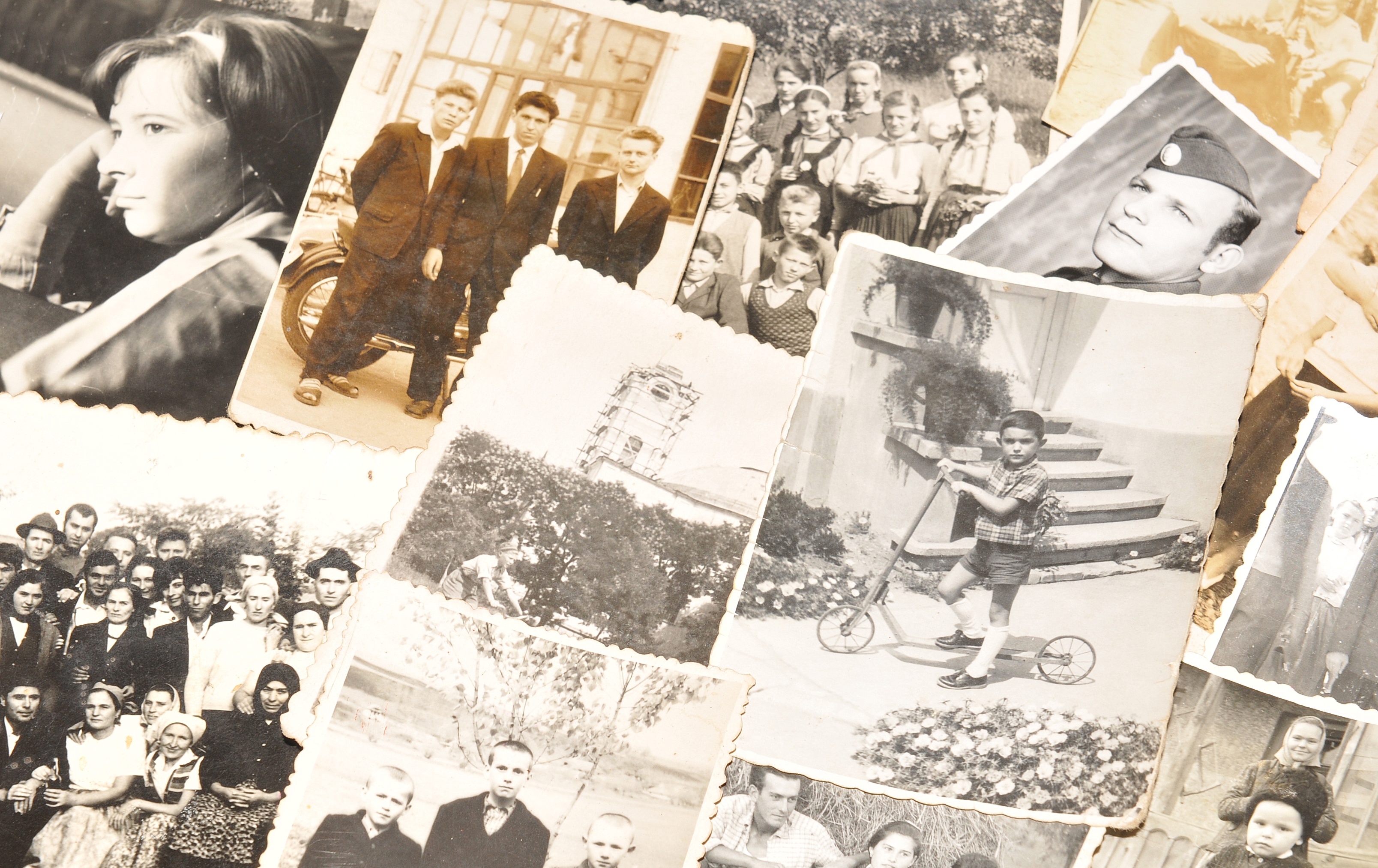
Analogue photographs present unique challenges because of their age, condition, and the unique setup needed to create a high-quality digital representative of the original image.
Different Photographic Formats Require Different Approaches
Photographic archives can include prints, glass plate negatives, film negatives, transparencies, slides, and photographic albums, each requiring specific capture methods and handling techniques.
Ageing Materials Can Be Fragile
Historic photographs may suffer from fading, silvering, cracking, curling, tears, or chemical deterioration. Negatives can also become brittle or affected by degradation such as vinegar syndrome.
Colour Accuracy Is Essential
Preserving the original appearance of photographs requires careful control of lighting, colour calibration, and image processing to accurately reproduce tones, details, and contrast.
A Brief History of Photography
Photography began in the early 19th century with the development of light-sensitive materials that could capture permanent images. Early processes, including the daguerreotype, produced detailed photographs on metal plates and marked the beginning of practical photography.
By the mid-1800s, glass plate negatives and paper-based processes allowed images to be reproduced more easily, expanding photography’s use in portraits, science, and historical documentation.
The introduction of film photography in the late 19th century made cameras more accessible, with formats such as 35mm film becoming widely used throughout the 20th century to record personal memories, journalism, industry, and cultural heritage.
What Are Film Negatives?
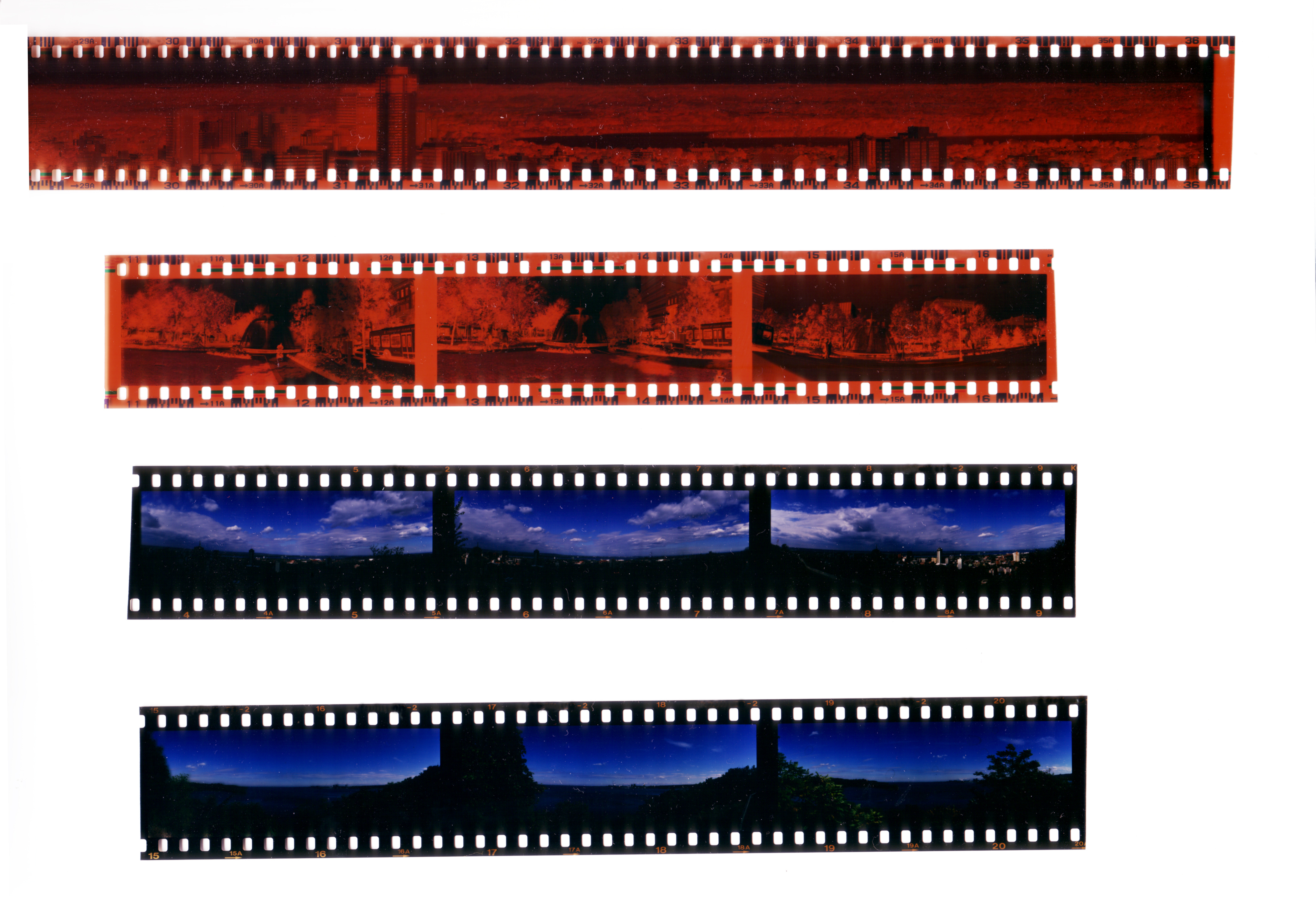
Negatives are original photographic materials where images are recorded in reversed tones or colours.
Film Negatives
- 35mm negatives, commonly used for personal photography - Medium format negatives - Large format negatives used for professional and archival photography
Glass Plate Negatives
Early photographic materials widely used from the late 1800s to the early 1900s, often found in museums, libraries, and historical collections.
Slides / Transparencies
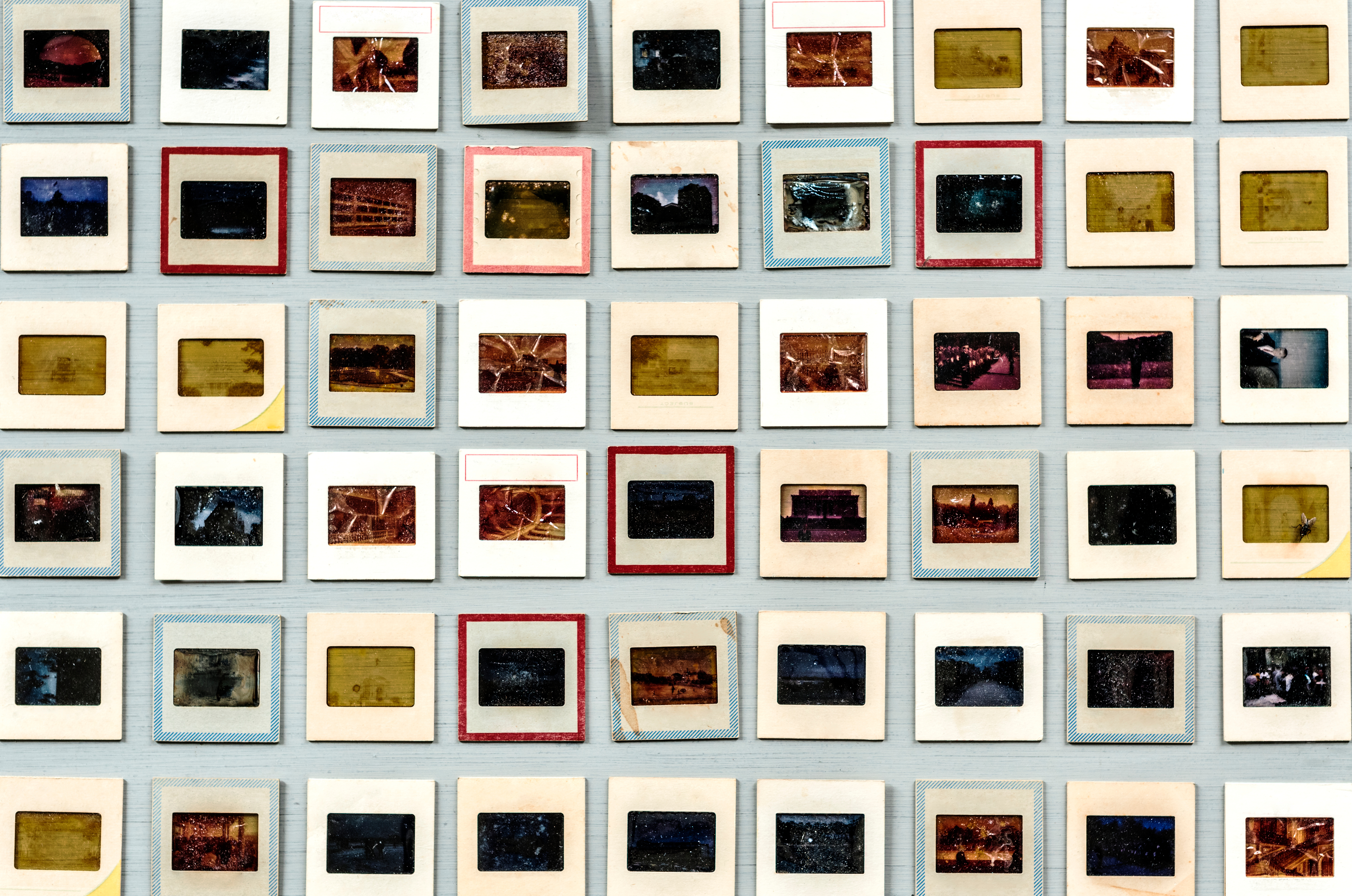
Positive film images viewed through light or projection, often used for presentations, research collections, and photographic archives.
Our Approach
Handling Photographic Collections
Before capture begins, our specialists review factors such as:
Material type and condition
Collection size and organisation
Handwritten annotations and markings
Borders, mounts, and physical characteristics
Album layouts and contextual information
Where photographs form part of albums or historic collections, we can capture the complete context, including page layouts, captions, handwritten notes, and supporting material.
Our staff are specially trained to handle fragile photographic collections, using cotton gloves and careful techniques to avoid damage to images
Our Approach
Digitising Photographs & Negatives
Our specialist photographic digitisation process is designed to capture the highest level of detail while protecting original materials. Each collection is assessed individually to determine the most appropriate equipment, handling methods, and output requirements.
Using high-quality digital camera equipment, macro lenses, controlled lighting, and colour-managed workflows, we create accurate digital reproductions of photographs, negatives, slides, and transparencies.
Our process preserves important details, including:
Fine image detail and texture
Original colours and tonal range
Metadata and indexing requirements
Any annotations, borders, and contextual information that you might wish to preserve with the image
The resulting digital files can be supplied in a range of formats. We use RAW files to preserve the integrity of the image at capture. We can then use those to produce archival TIFF masters, JPEG access copies, and several additional formats according to your requirements.
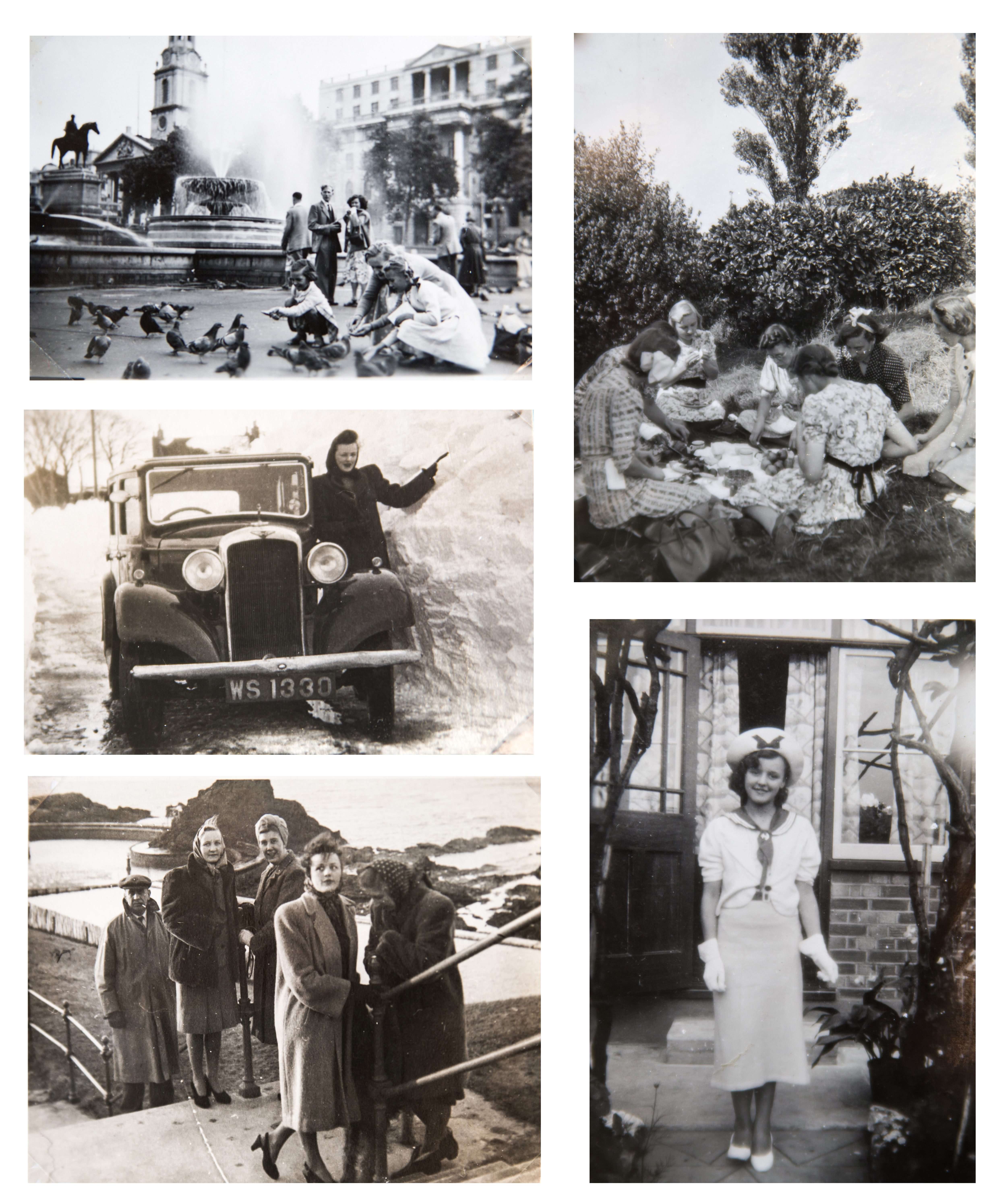
Preserve Every Detail of Your Photographic Collection
From historic prints and photographic albums to film negatives and glass plates, we create high-resolution digital records that protect fragile originals while making collections easier to preserve, research and share.